
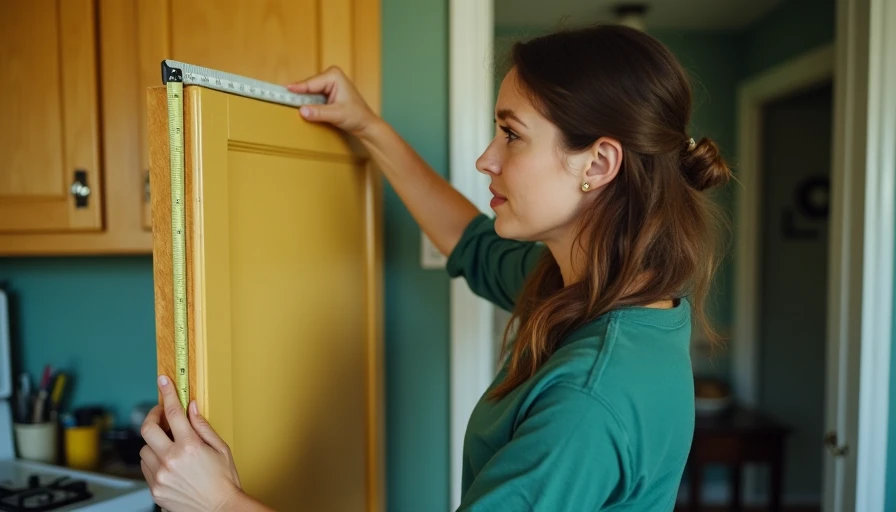
Renovating Small Kitchen on a Budget: My Real-World Plan
Renovating small kitchen on a budget? Use my real cost breakdown, DIY plan, and contractor lessons to save money without sacrificing function or resale value.
Renovating small kitchen on a budget sounds simple until you price cabinets, electrical work, flooring, and the dozen little parts that never appear in the inspiration photos. I learned that the hard way in our Greenville, South Carolina, kitchen. The room measured just 9 by 11 feet, but the first contractor estimate came in at nearly $28,000. My final project cost $14,860, including a few mistakes, because I spent money on function and refused to move plumbing without a very good reason.
The goal was not a magazine kitchen. It was a room where two adults could cook without bumping elbows, where the kids could reach their own cups, and where the house would appraise sensibly when we eventually sell. As an ex-appraiser, I knew a small kitchen needs to look clean and current, but expensive finishes do not automatically create expensive value.
Start With a Budget That Has Categories
Before removing a single drawer, I opened a spreadsheet and divided the project into cabinets, appliances, surfaces, labor, permits, hardware, lighting, and contingency. Our initial target was $13,500. I added a 10 percent contingency, then added another $1,000 after finding water damage under the sink. The actual total reached $14,860.
For a modest small-kitchen refresh, a realistic planning range is $8,000 to $18,000 if the layout stays in place. Cabinet refacing, paint, new hardware, laminate counters, and one replacement appliance can come in below $6,000 when the existing boxes are sound. A full cabinet replacement with electrical updates and midrange appliances can easily reach $20,000 or more.
Renovating small kitchen on a budget works best when every dollar has a job. I put $4,900 toward cabinets and trim, $2,100 toward countertops, $2,650 toward appliances, and $1,850 toward electrical, plumbing, and labor. The remaining money covered flooring, paint, pulls, sink parts, lighting, and surprises. Writing those numbers down made it much easier to reject the $900 faucet I liked but did not need.
Save Money by Keeping the Layout
Moving a sink, range, or dishwasher is where a small renovation starts eating the budget. Relocating supply lines can require opening walls, while moving a gas line or drain may involve a licensed trade and additional inspection work. In our kitchen, the dishwasher was awkwardly positioned beside the corner cabinet, but moving it would have cost more than the inconvenience was worth.
I kept the sink, range, refrigerator, and dishwasher in their original locations. That decision saved an estimated $2,500 to $4,000 in plumbing, electrical, drywall, and flooring repairs. Instead, I replaced a damaged corner cabinet, installed a narrower drawer base, and used a 24-inch counter-depth refrigerator. The room gained about 8 inches of clear walking space, which felt more useful than a dramatic new floor plan.
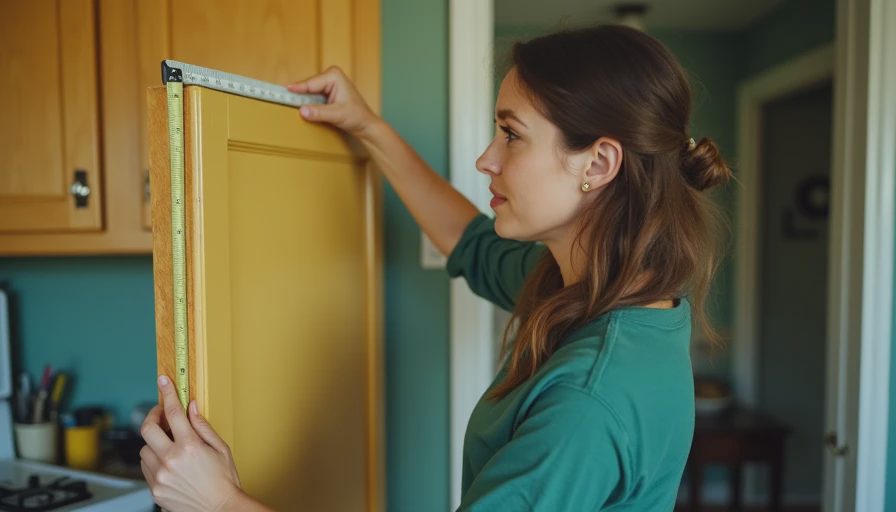
When planning renovating small kitchen on a budget, measure the appliance doors in their fully open position. Our first refrigerator choice technically fit the opening, but its door blocked the hallway. The replacement cost $300 more and required a new delivery fee. That was a preventable mistake, and the spreadsheet now includes door swing measurements beside every appliance dimension.
Choose Cabinet Work That Matches the Boxes
Cabinet decisions usually determine whether the project stays affordable. If the boxes are square, dry, and firmly attached, painting or refacing can make sense. If the particleboard is swollen from leaks, the shelves sag, or the layout wastes every corner, replacement is usually the better use of money.
I replaced only the lower cabinets beneath the sink and beside the range. The rest were cleaned, lightly sanded, primed with a bonding primer, and painted with a durable cabinet enamel. A local paint store supplied the primer and topcoat for about $180, while new pulls cost $145. That was considerably less than replacing 11 usable cabinet boxes.
For replacement cabinets, I compared stock options from Home Depot, Lowe's, and a local cabinet dealer. Stock cabinets offered the quickest delivery, but filler strips and end panels added nearly $700 to the advertised price. A local dealer's semi-custom quote was higher at the beginning but included better drawer hardware and fewer filler pieces. The final choice was not the cheapest cabinet line; it was the one with the clearest complete price.
Spend on Surfaces and Lighting, Not Decorative Extras
Counters receive daily abuse, so I did not choose the absolute cheapest surface. We used a simple midrange quartz remnant for the main run and a matching laminate section beside the refrigerator. The quartz cost $1,540 installed, while a full slab order would have added roughly $900. A remnant can be an excellent option for a small kitchen because the required piece is often short enough to use leftover material.
The backsplash was another controlled expense. Instead of extending tile behind every cabinet, I installed a straightforward white ceramic tile between the counter and upper cabinets. Materials cost $230, and I handled the installation over two evenings. The tile is not unusual, but it is easy to replace and does not compete with the wood floor or cabinet color.
Lighting produced more improvement than decorative open shelving. I added three recessed LED fixtures, an under-cabinet LED strip, and a dimmer. The electrical work cost $620 because the existing ceiling box was not centered and the old wiring needed attention. Good task lighting made the room feel larger at night and reduced shadows over the counters.

What I Would DIY and What I Would Hire Out
I handled demolition, cabinet painting, hardware installation, backsplash tile, trim, and final touch-up work. Those tasks required patience more than advanced skill. I rented a small trailer for debris and used my shop vacuum, Dusty Springfield, to control the dust. Removing cabinets slowly also prevented unnecessary damage to the drywall.
I hired out the countertop template and installation, electrical changes, and the final plumbing connections. I could have attempted some of that work, but a leak inside a finished cabinet would have erased every labor saving. Electrical and plumbing rules also vary by location, so I pulled the required information before scheduling trades. In Greenville, the cost of a short professional visit was easier to justify than repairing a hidden mistake later.
Renovating small kitchen on a budget does not mean doing every task yourself. It means reserving DIY effort for work where a mistake is visible and fixable, then paying for specialized work that protects the house. My labor savings were about $2,700, but I did not count my time as free. The project took six weekends and several weeknights.
The Appraiser's Test: What Actually Helps
A fresh kitchen can support resale appeal, but buyers notice poor workmanship immediately. Straight cabinet lines, working drawers, consistent gaps, bright lighting, and a clean range hood mattered more than designer tile or imported hardware. I spent money on soft-close drawer slides for the most-used drawers and skipped decorative legs, glass doors, and a pot filler.
I also avoided removing the only pantry cabinet. The room looked more open without it, but losing storage would have made the kitchen less practical for the next family. Instead, I installed pull-out shelves in the pantry and added a narrow tray divider beside the refrigerator. The total cost was about $260, and those changes improved daily use without changing the footprint.
The completed room did not transform our house into a luxury property. It did make the kitchen brighter, easier to clean, and less frustrating. That is the right standard for renovating small kitchen on a budget: spend where the room works harder, not where a photograph looks dramatic for five minutes.
My Final Checklist Before Ordering Anything
Measure the room, wall thickness, ceiling height, appliance openings, and door swings twice. Photograph the plumbing and electrical connections before demolition. Confirm cabinet dimensions against the actual walls rather than a perfect computer drawing. Price trim, fillers, panels, delivery, tax, disposal, and installation because those costs hide in the margins.
Order samples of paint, counters, flooring, and cabinet doors before committing. Put every quote in one spreadsheet, including expiration dates and deposits. Keep at least 10 percent for surprises, and do not schedule the countertop until the base cabinets are installed and level. That last step saved me from an expensive remeasure after one cabinet shifted.
Most importantly, choose the finish level before shopping. A $14,000 functional renovation and a $30,000 custom renovation can both be attractive, but mixing a budget cabinet with premium appliances and specialty tile creates a lopsided bill. Measure twice, cut once, write it down. That rule kept my small kitchen useful, saleable, and within reach of the original plan.
Comments
No comments yet — be the first to share a thought.