
What's Actually Worth Paying More For at the Hardware Store
The specific tools and materials where spending extra at the hardware store actually saves money—and the ones where the cheap version is still fine.
The Aisle Where Money Goes to Die
Hardware stores are designed to make every upgrade feel essential. Better drill bits, premium painter’s tape, the “pro” version of the caulk gun. After four houses I have a clear personal list of what is actually worth the higher price and what is just expensive packaging.
This is not a brand sermon. It is a field report from the current renovation and the three that came before it.
Worth Paying More For
Drill and impact-driver bits
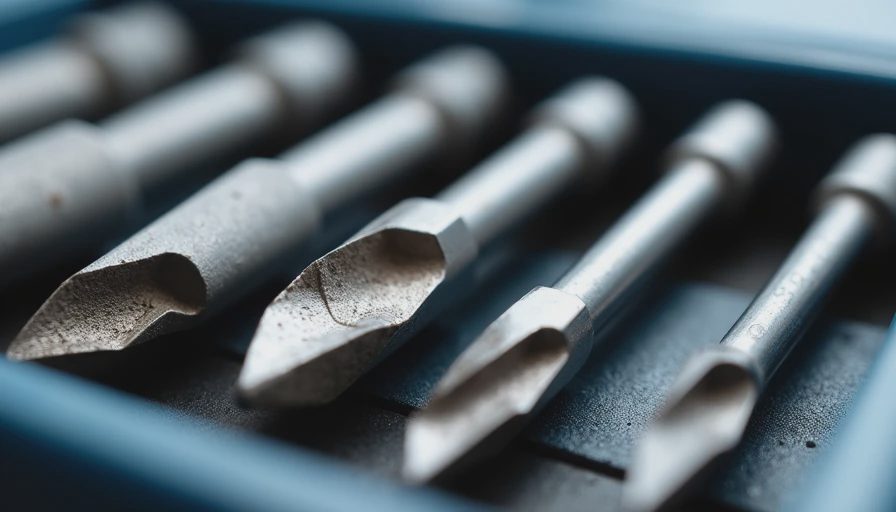
Cheap bits round off, snap, or burn up in old lumber. A good set of impact-rated bits lasts through an entire house and still looks usable. The difference shows up the first time you drive three-inch screws into 1970s framing without stopping to change bits every ten holes.
Painter’s tape
The good stuff releases cleanly and actually seals the edge. The bargain tape either rips the paint or lets bleed-through ruin a crisp line. I stopped buying the cheap rolls after the second room that needed touch-up along every piece of trim.
Caulk
A quality acrylic-latex or siliconized acrylic smooths better, stays flexible longer, and does not shrink into a sad crack six months later. The extra two dollars per tube is cheaper than re-caulking the same joint next year.
Sandpaper and sanding sponges
Premium abrasives cut faster and last longer. Cheap paper loads up and scratches. On drywall finishing days the better sponges save both time and frustration.
Saw blades (circular and miter)
A sharp, appropriate blade turns an average saw into a precise one. I keep a framing blade and a fine-finish blade for the circular saw, and a high-tooth-count blade on Rhonda. Dull blades burn wood and make you blame the tool.
Work gloves that actually fit
Blisters and pinched nerves slow the job more than almost any other small injury. A pair that fits and survives more than one week is worth the price.
Fine to Buy Cheap (or Skip)
Paint stirrers and drop-cloth plastic
Disposable is fine. I do not need premium sticks or the heaviest plastic sheeting for most rooms.
Basic hand tools you use once a year
A bargain adjustable wrench or a no-name utility knife is acceptable if it lives in the bottom of the toolbox and only appears for odd jobs.
Extension cords for light-duty use
I own one good heavy-gauge cord for tools and a couple of cheap ones for work lights and chargers. No need to overbuy.
Most single-use specialty gadgets
The tool that claims to do one obscure task perfectly usually spends its life on a shelf. I rent or borrow those.
The Middle Ground I Still Debate
Tape measures
A solid, readable tape with a strong standout is nice. I own one good one and one backup that was cheaper. Both work.
Levels
A reliable 4-foot level is worth owning. Torpedo levels and the cheap aluminum ones are fine for rough work.
Shop-vac filters and bags
I buy the better filters because Dusty Springfield works harder when the filtration is good. Bags are more interchangeable.
How I Decide in the Aisle
I ask three questions:
Will this item be used on more than one room or one house?
Does the cheap version fail in a way that costs time or creates rework?
Is the price difference smaller than the cost of one redo or one extra trip?
If the answer to the first two is yes and the third is also yes, I pay more. Otherwise I buy the serviceable option and move on.
What Changed on This House
Spending extra on bits, tape, caulk, sandpaper, and blades has produced cleaner work and fewer mid-project runs back to the store. The living room trim joints are tighter, the paint lines are cleaner, and I have not snapped a bit in weeks. Those are measurable returns.
Measure twice. Cut once. Write it down.
The hardware store will always try to upsell you. Having a personal list of what actually matters keeps the receipt closer to reality. Next time you are standing in the aisle, steal this filter. Your future self will spend less time fixing avoidable problems. The ledger stays open.
Comments
No comments yet — be the first to share a thought.