
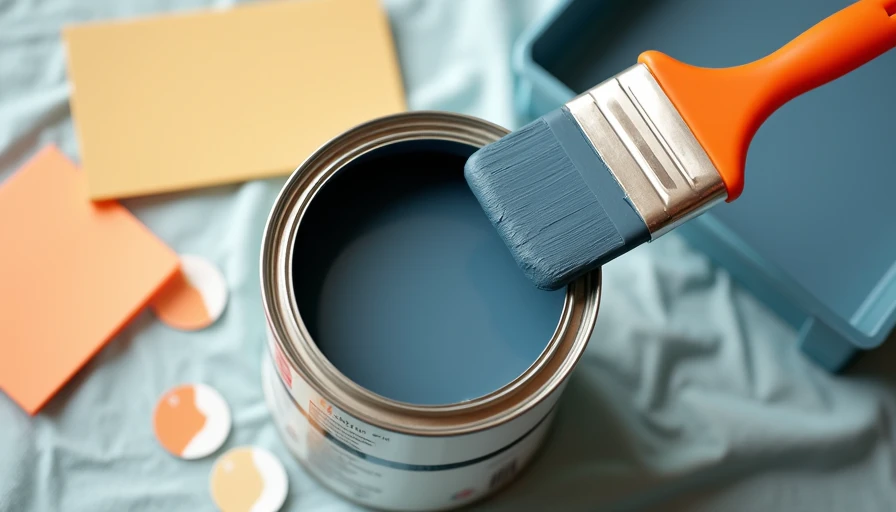
How to Read a Paint Can Label Like an Adult
Stop guessing at the paint store. Here’s how to actually read a paint can label—sheen, coverage, base, VOCs, and the numbers that matter for a real renovation.
The Label Is Trying to Tell You Something
Most people buy paint by color chip and price. Then they get home, open the can, and discover the sheen is wrong, the coverage is optimistic, or the drying time does not match the weekend plan. I did this on the first house. Twice.
Now I read the label like it is a contract. Because in a way it is. Here is the practical decoder I use every time I stand in the paint aisle or open a new gallon on the job.
Sheen: The Number That Changes Everything
The sheen name (flat, matte, eggshell, satin, semi-gloss, gloss) is the first thing I check. It is not just about looks.
Flat / matte: hides imperfections, hard to clean. Fine for ceilings.
Eggshell / low-sheen: the sweet spot for most living-room and bedroom walls. Slight softness, still wipeable.
Satin: more durable, good for hallways, kids’ rooms, and trim if you want a softer look than semi-gloss.
Semi-gloss / gloss: kitchens, baths, doors, trim. Stands up to cleaning and moisture.
On the living room we used a quality eggshell for the walls and a semi-gloss for the trim. The difference in cleanability and light reflection is obvious every time the afternoon sun hits the room.

Coverage and Spread Rate
Look for the square-feet-per-gallon number. Manufacturers love optimistic numbers. Real-world coverage on new drywall or patched walls is often 10–20% less than the label claims, especially with darker colors or porous surfaces.
I calculate the actual wall area, add 10% for waste and touch-up, then divide by a realistic spread rate (usually 350–400 sq ft per gallon for walls). That keeps me from running out mid-roller.
Base and Tint Strength
Pastel bases, deep bases, and neutral bases accept different amounts of colorant. If you are going for a rich or dark color, make sure the store is using the correct base. The wrong base is why some deep colors look washed out or require extra coats.
I ask the paint desk to confirm the base before they tint. It takes ten seconds and prevents a return trip.
Dry Time and Recoat Window
The label lists touch-dry time and recoat time. Humidity and temperature change both numbers. In a Greenville summer I add time. In a dry heated house in winter I can sometimes go faster. I never recoat early just because the surface feels dry. Trapped solvent is how you get soft films and adhesion problems later.
VOC Content and Cleanup
Lower VOC is better for indoor air, especially if anyone is sleeping in the house during the project. The label lists grams per liter. I prefer under 50 g/L for occupied spaces when I can get it. Cleanup instructions (soap and water vs. mineral spirits) also tell you what kind of resin system you are dealing with and how carefully you need to ventilate.
Quality Tier Signals
Price is not the only indicator, but the label often carries clues: acrylic vs. vinyl-acrylic, scrub-resistance ratings, mildew resistance claims, and whether it is labeled for the specific room type. I have stopped buying the absolute cheapest gallon. The extra $8–12 usually buys better hide, better flow, and fewer coats.
The Quick Checklist I Use at the Store
Confirm sheen matches the room’s needs.
Check realistic coverage against my measured square footage.
Verify the base is correct for the color.
Note recoat time and plan the day accordingly.
Look at VOC and cleanup so I know how to ventilate and clean tools.
Buy the extra quart for touch-up and label it with the room and date.
What Changed on the Living Room
Reading the label properly meant we bought the right sheen the first time, ordered enough product, and scheduled the coats around real dry times instead of wishful thinking. The walls look even. The trim cleans up. No surprises three weeks later.
Measure twice. Cut once. Write it down.
Paint is one of the last things you put on a room and one of the first things people notice. Treat the label like the instruction manual it is and you will spend less time fixing avoidable mistakes. The living room walls are proof. See you on the next short, useful punch-list item.
Comments
No comments yet — be the first to share a thought.