
Home Renovation Costs: What I Budget Before I Swing a Hammer
home renovation costs explained with real Greenville numbers for kitchens, baths, flooring, and permits, plus where DIY saves and where it backfires fast.
The first time I got serious about home renovation costs, I made the classic mistake: I priced the shiny finish and ignored the boring middle. Paint looked cheap, cabinets looked expensive, and the part in between, like demo, wiring, plumbing, patching, and trim, ate my lunch. Now I start every project with a spreadsheet, a backup line item, and a reality check for Greenville labor before I buy one box of tile. Measure twice, cut once, write it down.
Start with the big buckets, not the pretty stuff
I never trust home renovation costs until I break them into four buckets: labor, materials, permits, and contingency. Labor is usually the biggest swing factor, especially if you need electrical, plumbing, drywall, or finish carpentry. Materials look easier to control, but the little stuff adds up fast. A Moen faucet, a better underlayment, a box of screws, stainable trim, outlet covers, caulk, and fasteners can turn a tidy number into a messy one.
My rule is simple. If I can define the scope, I can estimate the project. If I cannot define the scope, I am not ready to spend. A $2,500 cosmetic refresh can become a $7,500 headache if the subfloor is soft or the walls are out of square. I also keep a contingency of at least 15 percent for anything that opens a wall. On older Greenville houses, 20 percent is smarter.
The biggest room-by-room numbers I see
Kitchen work is where people get surprised first. A modest kitchen refresh with painted cabinets, new counters, a basic sink, and a backsplash can land around $12,000 to $25,000 if the layout stays put. Move plumbing, upgrade electrical, or swap in semi-custom cabinets from a place like Lowe’s or a local cabinet shop, and the number can move into the $35,000 to $60,000 range pretty fast. Bathrooms are similar in shape but smaller in dollar size. A hall bath overhaul often runs $8,000 to $18,000, while a primary bath with tile shower work, new vanity, new fixtures, and better lighting can push higher.
Flooring and paint are the quiet budget killers. Luxury vinyl plank, installed, often lands in the $4 to $8 per square foot range, while hardwood refinishing is usually cheaper than replacement if the wood is worth saving. Interior paint can be a few thousand dollars for a smaller house or climb well past that once you include ceilings, trim, and drywall repairs. Sherwin-Williams paint is not cheap, but bad paint jobs are expensive in a different way.
What I DIY and what I hand off
The part that warps home renovation costs is assuming every task is equally DIY-friendly. Demo, trim removal, basic painting, simple fixture swaps, and some flooring work are fair game if you have patience and time. A Saturday with Dusty Springfield, my shop vac, can save hundreds. But plumbing moves, panel changes, major electrical work, and anything tied to structure are different animals. That is not fear talking. That is damage control.
I will usually do the prep, the teardown, the painting, and the punch list. I hire out the stuff that can fail hidden inside a wall or under a floor. In practical terms, that means a licensed electrician for new circuits, a plumber for drain and supply changes, and a good tile setter when the shower pan matters more than the Instagram photo. A bad DIY shower can cost more to fix than the original bid. That is not a theory. I have seen it.
Why two bids can look like two different planets
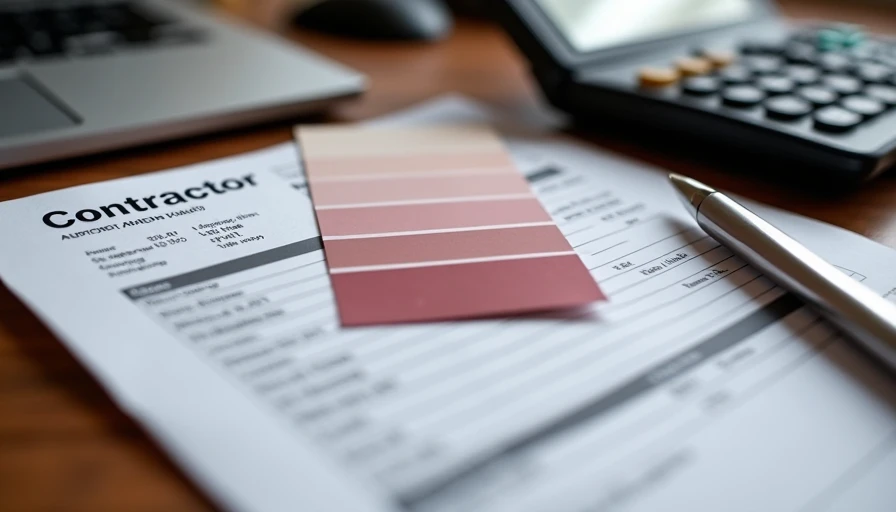
When I compare home renovation costs between contractors, I look for scope first and price second. One bid may include demo, haul-off, permits, and paint touch-up. Another may only cover the shiny part in the middle. If one contractor says $18,000 and another says $26,000, I do not assume one is overcharging. I assume the paperwork is different until proven otherwise.
I ask for the same things every time: what is included, what is excluded, who is buying materials, what happens if hidden damage shows up, and how change orders are handled. A clean bid should tell me whether fixtures are allowed for, whether the drywall patch is full-room or spot repair, and whether the finish level is builder grade, mid-grade, or better. The cheapest number is often the one with the shortest memory.
A Greenville example that keeps the math honest
On a recent Greenville ranch, the owner wanted a safer, cleaner main bath and a better kitchen for family use. The bath came in near $14,000 after tile, vanity, lighting, fan, and labor. The kitchen stayed closer to $29,000 because the cabinets stayed in place and the appliances were reused. If we had moved the sink and added a full cabinet replacement, the total would have climbed fast. That is the part I wish more homeowners saw early. Layout changes are where home renovation costs start separating from wishful thinking.
Greenville is still a market where smart, simple work can make a house feel new without chasing luxury finishes. Fresh paint, better lighting, repaired trim, updated hardware, and a clean, durable floor can get a house ready for listing or living without turning it into a money pit. I care about value because I used to appraise houses, and I still ask the same question: will this change make the house easier to sell, easier to live in, or both?
The fastest ways to keep the number honest
If you want a cleaner estimate, get three quotes with the same scope, buy a little time before ordering materials, and write every selection down before work starts. That sounds obvious until you are standing in the aisle at Home Depot trying to decide between two vanities and a third surprise expense. The fastest way to blow home renovation costs is to make decisions halfway through the project, when labor is already rolling.
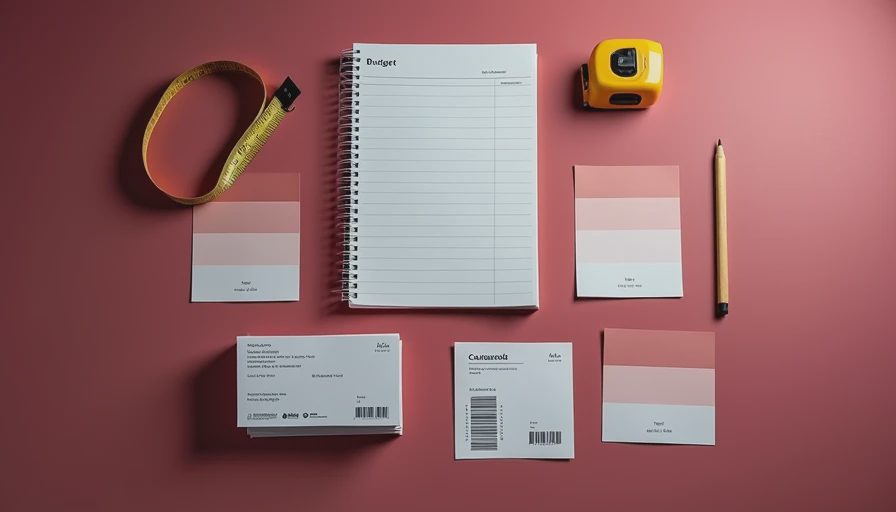
I also like to price the project in layers. First the must-haves, then the nice-to-haves, then the stretch items. If the must-haves already exceed the budget, the project is too big or the scope is too loose. If the numbers still work after a 15 to 20 percent cushion, you probably have a real project instead of a dream sketch.
If you are starting a renovation this month, build the spreadsheet before you buy the first material. That one habit will save more money than a weekend coupon hunt ever will.
Comments
No comments yet — be the first to share a thought.