

How Long Does a Home Renovation Take? A Realistic Timeline
How long does a home renovation take? Get realistic timelines, phase-by-phase planning tips, cost checkpoints, and ways to avoid delays from a renovation...
If you are asking how long does a home renovation take, you probably want a calendar date instead of another vague answer about delays. I understand. On my Greenville, South Carolina, projects, a modest room refresh took three weeks, while a whole-house renovation occupied the better part of nine months. The honest answer depends on scope, permits, material availability, contractor schedules, and what your walls reveal after demolition.
For planning purposes, a cosmetic update usually takes two to eight weeks. A kitchen renovation often takes eight to sixteen weeks. A bathroom commonly takes four to ten weeks, and a major addition or whole-house project can run six to twelve months. Those ranges assume decisions are made before work begins and that the budget can absorb surprises.
A practical renovation timeline by project size
The easiest way to estimate how long does a home renovation take is to separate the work into categories rather than treating every project as one giant job.
A room with new paint, lighting, flooring, and trim can take one to three weeks. If you hire out drywall repairs and flooring, the physical work may be finished in several days, but moving furniture, waiting for materials, and completing touch-ups expands the calendar. My family room repaint looked like a five-day job on paper. It became twelve days after I found loose subfloor panels and decided to replace two damaged sections before installing flooring.
A kitchen renovation with the same footprint usually takes two to four months. Cabinet ordering can consume four to twelve weeks before installation even begins. Demolition may take two or three days, rough plumbing and electrical another one to two weeks, and cabinet, countertop, backsplash, and appliance work several more weeks. A stock-cabinet kitchen might stay near the short end; custom cabinets, structural changes, or a relocated sink push it longer.
A bathroom renovation often takes four to eight weeks. The work includes demolition, waterproofing, plumbing, electrical, wall repair, tile, fixtures, paint, and trim. Tile itself is not usually the schedule killer. Waiting for a failed waterproofing inspection or discovering a soft subfloor is what turns a neat month-long plan into an eight-week slog.

The five phases that control your calendar
When homeowners ask how long does a home renovation take, they often count only the days when tools are running. That misses half the project. I track five phases in my spreadsheet.
First comes planning and design. Allow one to four weeks for measurements, layout decisions, product research, contractor interviews, and a written scope. A simple bedroom needs less planning than a kitchen, but rushing either one creates expensive changes later.
Second is ordering and permitting. Materials can arrive in a few days or several months. Windows, cabinets, specialty tile, and electrical panels deserve early attention. Permit timing varies by jurisdiction and project type, so call the local building department before demolition. A permit is not busywork; it creates inspection points for structural, electrical, plumbing, and life-safety work.
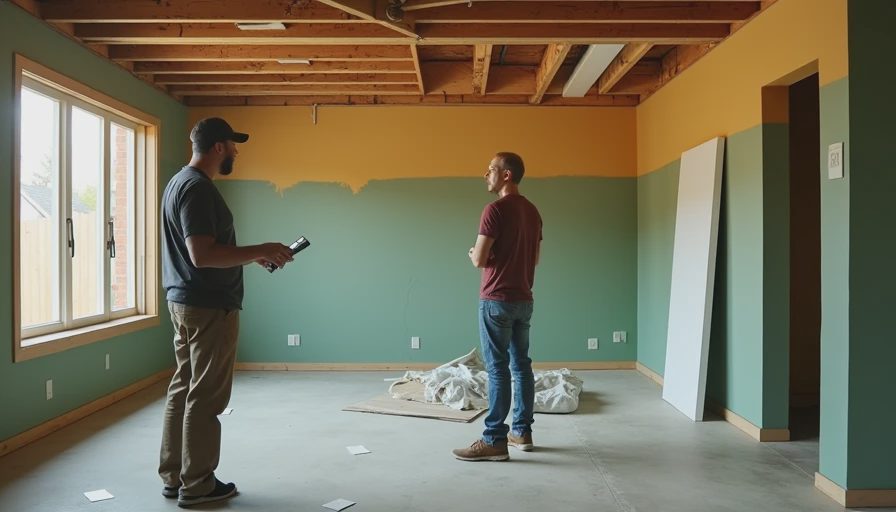
Third is demolition and discovery. Set aside two days to two weeks, depending on size. This is where the budget starts telling the truth. My first flip uncovered outdated wiring behind a perfectly ordinary wall, adding about $2,400 and five working days.
Fourth is rough construction and installation. Framing, plumbing, electrical, HVAC adjustments, drywall, flooring, cabinets, and tile usually consume the largest block of time. The order matters because a countertop installer cannot measure accurately until cabinets are fixed in place.
Fifth is closeout. Budget one to two weeks for paint corrections, hardware, caulk, fixture adjustments, cleaning, and inspections. Punch-list work looks small, but several trades may need to return for one overlooked item.
What causes renovation delays
The biggest delay is usually a decision, not a dramatic disaster. A homeowner waits to choose a faucet, then the plumber cannot finish. Someone changes from a 30-inch range to a 36-inch model, and the cabinet order must be revised. A tile shipment arrives with the wrong color, leaving a crew unable to finish the shower.
Weather matters for exterior work and anything involving open walls or unconditioned space. In the Upstate, summer storms can disrupt roofing, siding, concrete, and deliveries. Labor availability matters too. A reliable electrician may be booked three weeks out, and that gap can stop drywall, cabinets, and final inspection.
Hidden conditions deserve a contingency. I carry 10% to 20% of the construction budget for older homes, especially those with crawl spaces, knob-and-tube remnants, galvanized plumbing, water damage, or questionable prior repairs. That reserve does not make the project faster, but it prevents one bad discovery from forcing a long pause.
How to shorten the schedule without cutting corners
If you are still wondering how long does a home renovation take, focus on the handoffs between tasks. A renovation moves quickly when each trade arrives with the right information, materials, and access.
Make every selection before ordering begins. Write down the exact product name, size, finish, quantity, and delivery date. Keep replacement options for items that regularly go out of stock. A $35 faucet can delay a $15,000 bathroom just as effectively as a major structural problem.
Use one written scope of work. It should state who handles demolition, debris removal, permits, surface preparation, painting, appliance connections, and final cleanup. Ambiguous responsibility creates idle days and arguments.
Protect the work already completed. Cover finished flooring, keep drywall dust away from cabinets, and avoid storing heavy materials on a new surface without protection. Repairing damage consumes time that produces no improvement.
I also schedule inspections before the crew reaches the next stage. Do not close a wall before rough plumbing and electrical work is approved when an inspection is required. Measure twice, cut once, write it down.
A sample 12-week kitchen schedule
For a moderate kitchen renovation with the same basic layout, my planning calendar would look like this: weeks one and two cover design, measurements, bids, permits, and ordering. Weeks three and four cover demolition, framing repairs, and rough plumbing or electrical. Week five is drywall, primer, and flooring preparation. Weeks six and seven are cabinet installation and adjustments. Week eight is countertop templating, with fabrication often taking another one to two weeks. Weeks nine and ten cover countertops, backsplash, appliances, and lighting. Weeks eleven and twelve are trim, paint, hardware, inspection, cleaning, and punch-list work.
That schedule assumes cabinets are already available and no wall moves are needed. If cabinets take ten weeks to arrive, the project does not begin when demolition starts; it begins when you place the order. This is why I prefer a detailed calendar over a single promised finish date.
The budget connection to your timeline
Schedule and cost are tied together. A $20,000 cosmetic project can become a $25,000 project when waiting forces you to rent temporary housing, eat out, or pay a crew for extra mobilization. Kitchen labor alone can run several thousand dollars, while a bathroom may need $4,000 to $12,000 in labor depending on plumbing, tile, and layout changes. These are planning ranges, not bids, but they show why a one-week delay has a real price.
Before starting, calculate the cost of the renovation, temporary living arrangements, storage, meals, permits, delivery fees, and contingency. For a family with children, a kitchen shutdown can be more disruptive than the work itself. We set up a temporary coffee station in the laundry room and used a countertop induction burner during our kitchen project. It was not glamorous, but it saved money and reduced daily friction.
The better answer to how long does a home renovation take comes from a scope, a materials list, and a calendar with breathing room. Plan the visible work, add time for inspections and deliveries, reserve money for discoveries, and make decisions before the crew needs them. A realistic timeline might not be exciting, but it is far more useful than a best-case promise.
Comments
No comments yet — be the first to share a thought.