

Room Renovation: How to Plan, Budget, and Survive Your Next Project
Room renovation costs, mistakes, and hard lessons from a Greenville ex-appraiser. Learn what actually adds value and what doesn't before you start your project.
A room renovation is equal parts excitement and dread. When I bought my first fixer-upper in Greenville, I thought a fresh coat of paint and new flooring would be a weekend job. It turned into six weeks, four trips to the lumberyard, and an argument with my wife over a built-in bar. Since then, I've renovated four houses room by room, keeping a spreadsheet for every single one. Before that, I spent eight years as a commercial appraiser, so I know which upgrades pay off and which ones are just expensive feelings. This is the advice I wish someone handed me before I picked up a sledgehammer.
Why This Project Needs a Ledger, Not a Pinterest Board
Before I ever touched a hammer, I sat down with a yellow legal pad and separated wants from needs. The Pinterest board is fine for inspiration, but it's not a plan. A room renovation without a budget is just an expensive surprise. When I appraised commercial property, I looked at what buyers were actually willing to pay for. That taught me to ask one question before any project: is this a need, a want, or a someday? Write down the answer. I put a contingency line in every budget, usually 15 percent on top of whatever the contractor quotes. On my last master bath, that contingency was roughly $1,600, and I needed every dollar for a plumbing surprise behind the shower. I also learned to get three separate quotes for any trade job over a thousand dollars. The lowest bid almost always has something missing, and the highest bid is often just padding. Call the references, check the license, and walk the job with the contractor before you sign. That process names every problem before it becomes a change order.

What a Room Renovation Really Costs
Let's talk numbers. In my experience, a room renovation in the Upstate runs anywhere from $5,000 for a small bathroom to $25,000 or more for a kitchen, depending on finishes and whether you move plumbing or electrical. I keep a line-by-line spreadsheet with columns for estimated, actual, and the difference. That difference column is where the truth lives. You don't need fancy software; a Google Sheet works fine. The line items that ruin budgets are almost always hidden: moving a vent, correcting a sloping floor, or upgrading the electrical panel when you open a wall. When a contractor hands you a bid, ask for the allowance amounts. If the bid says miscellaneous, find out exactly what that covers.
Where the Money Comes Back at Resale
As an appraiser, I can tell you that a room renovation pays off best in kitchens and main bathrooms. Those are the rooms buyers look at first. A home office with built-in shelves? It will make you happy, but it won't move your appraisal value anywhere near what you spent. That's not a reason to skip it, just know you're spending for your own joy rather than resale. In Greenville's current market, a well-executed kitchen or bath can return 60 to 80 percent of its cost at resale. For a bedroom or a den, expect less. The mistake I see homeowners make is over-improving a single room beyond the rest of the house. If your house is worth $350,000, don't put a $60,000 chef's kitchen in it. You'll price yourself out of the neighborhood. If you're renovating a rental, the numbers are different; you want durability and low maintenance over aesthetics. That's why I always look at comps before I pick finishes.
Four Mistakes I Made So You Don't Have To
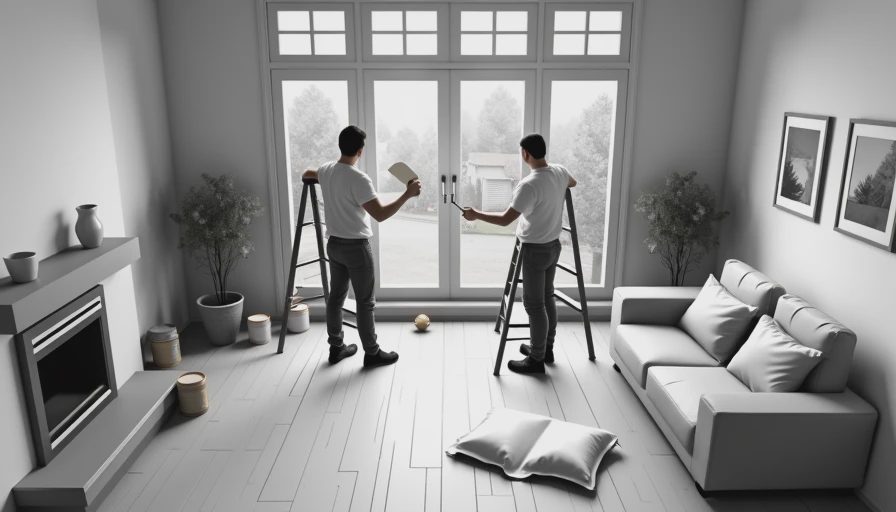
I've made plenty of mistakes, and I'd rather you learn from my wallet. First, I ordered custom tile for a backsplash without calculating the number of boxes. The second batch came from a different dye lot, and the wall looked like a checkerboard. Order extra, always. Second, I tore out a wall before confirming it wasn't load-bearing. It was. That added a $1,500 steel beam and a week of lost time. Third, I painted over wallpaper once. Don't. Strip it first. Fourth, I started demolition before ordering all the materials and ended up waiting three weeks on a shower valve. If you're doing a room renovation, get every major part on site before you pull the hammer off the wall.
A Before-You-Demo Checklist
Your room renovation checklist sounds boring, but it saves you from so much pain. First, set a number you can afford and add 15 percent. Second, take measurements and draw the room to scale, even on notebook paper. Third, order big-ticket items before you start demo. Fourth, label every wire, pipe, and junction box during demo; I use masking tape and a sharpie. Fifth, take before photos from every corner. You'll need them when you talk to a contractor or try to remember where a stud landed. Finally, decide now where you'll cook, shower, or sleep while the room is under construction. I once spent a month washing dishes in a laundry sink, and I still have nightmares about it.
The Bottom Line on Home Upgrades
A project like this is never as simple as it looks, but it's also never as impossible as it feels. The key is preparation: measure twice, cut once, write it down. When you keep a ledger and plan for surprises, you can finish with your marriage, your bank account, and your sanity intact. I'm documenting every room in my forever home on the Room Log, with real budgets, real mistakes, and real numbers. If you want the unvarnished version of what a project actually costs, follow along. The next project is the nursery, and I'm already sweating.
Comments
No comments yet — be the first to share a thought.