
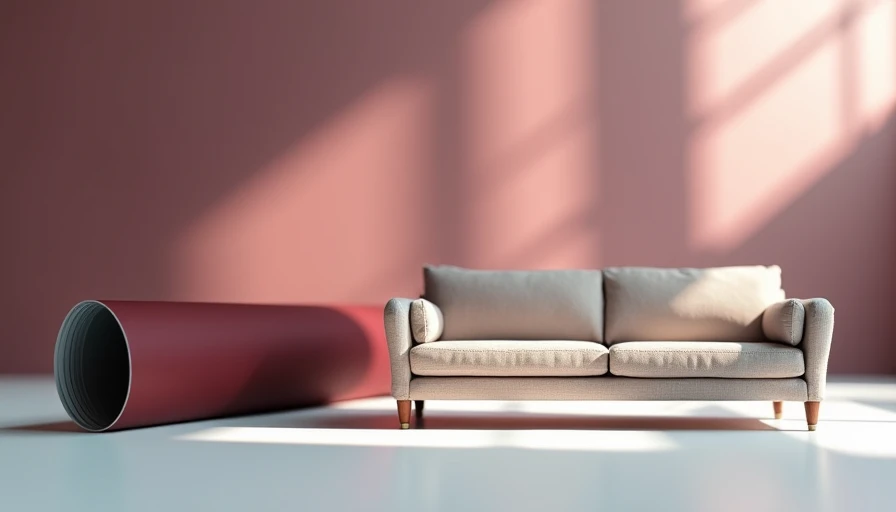
Small Living Room Renovation Ideas That Stretch a Tight Budget
small living room renovation ideas that stretch space and budget with paint, lighting, trim, and layout fixes for a room you can freshen for under $3,000.
If you are hunting for small living room renovation ideas, start by asking what the room has to do every day. In my Greenville house, the living room is where the kids pile up after school, where my wife wants a quiet spot for coffee, and where a TV has to compete with toys, lamps, and a dog bed. That means the best fixes are not the flashy ones. They are the upgrades that make the room feel bigger, brighter, and easier to use without tearing out half the house. For most homes, I like to think in $500, $1,500, and $3,000 lanes, because that keeps the project honest.
Start with paint, light, and ceiling height
The fastest win is almost always paint. One gallon of quality interior paint from Sherwin-Williams or Benjamin Moore can run $50 to $90, and a small room may only need two gallons for walls plus a quart for trim touchups. If you hire it out, a painter in the Upstate might charge $800 to $2,000 for prep, cutting in, and two coats. Lighter wall colors help, but the real trick is contrast: clean white trim, one calm wall color, and fewer competing finishes. I like to swap yellow bulbs for 2700K LEDs and add dimmers where the room feels too harsh. A dimmer from Lutron or Leviton can cost $25 to $60, and that small change often does more than a new couch.
Ceiling height matters too. If the room feels chopped up, skip heavy crown and avoid dark ceiling paint unless the room gets strong natural light. In older Greenville houses, I have seen cheap drywall patches and a cleaner paint line make a bigger visual difference than a decorative upgrade that eats the budget.
The layout rules I use for small living room renovation ideas
This is where small living room renovation ideas get practical. Measure the sofa, the rug, the TV, and the walking path before you buy anything. A room can look cramped because the furniture is too deep, not because the room is actually tiny. I like a sofa with a slimmer arm, a rug that fits at least the front legs of the seating, and one table lamp instead of three little ones fighting for space. If the coffee table is a shin-biter, replace it with an ottoman or a nesting set.
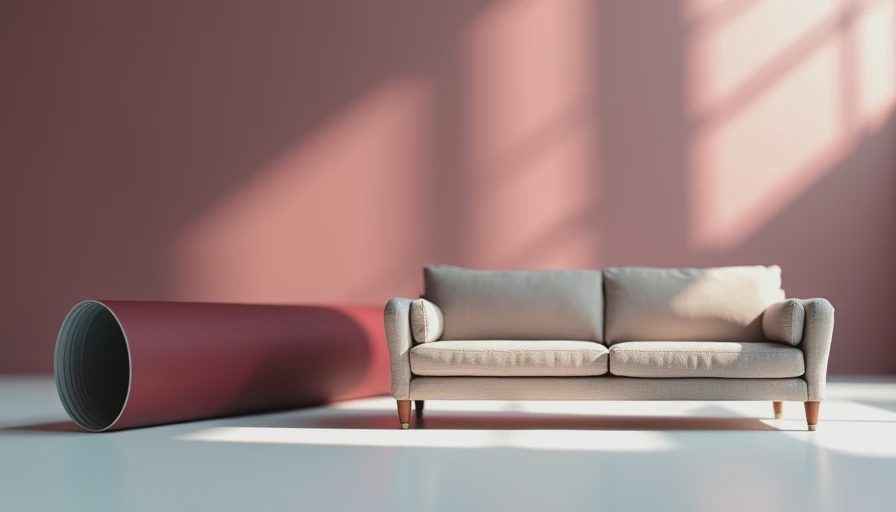
Sometimes the cheapest fix is removing furniture, not adding it. A large sectional can overwhelm a small room, while two smaller chairs and a tighter sofa can open the whole floor plan. If you need storage, an IKEA Besta cabinet or a simple built-in look from stock shelving can hide games, remotes, and chargers without making the room feel like a closet. The goal is to clear the sight lines from the entry to the main window.
Trim, doors, and outlets are the details people notice
I have learned that small living room renovation ideas live or die in the details. Old baseboards, beat-up outlet covers, and a hollow-core door with bad paint can drag down a room faster than a dated sofa. Replacing a single door with a solid-core slab or a better prehung unit can cost a few hundred dollars to more than $1,000 once you add labor, but it changes how the room sounds and feels. If you keep the existing door, at least paint it cleanly and replace the hardware.
Outlets matter more than people expect. If the TV cord is draped across the wall or you need an ugly power strip in the corner, the room will never feel finished. An electrician charge for a new outlet or switch location can be $150 to $350 in an easy run, more if fishing wires through plaster or brick. That is still a better spend than buying decor to cover up a layout problem. I also like simple window treatments. Off-the-shelf curtains that hang high and wide can make the ceiling look taller for under $200 if you shop smart.
Flooring is worth doing only when the floor is the problem
If the carpet is stained, smells musty, or has a bad seam down the middle, fix it. Otherwise, leave it alone and spend money higher in the room. In a small living room, fresh carpet can run $3 to $7 per square foot installed, while midrange LVP often lands between $5 and $12 once you include underlayment and labor. If you already have solid hardwood, a refinish can sometimes be cheaper than new material and usually buys you more value than replacing wood with wood-look planks. A neutral rug then gives you the texture without the commitment. That is the kind of tradeoff I like in a tight budget.
What I would budget first, second, and third
If I were mapping small living room renovation ideas for a normal homeowner budget, I would spend in this order: paint and lighting first, furniture placement second, and trim or outlet fixes third. That usually keeps the project in the $1,000 to $2,500 range if you are doing some of the work yourself. A full flooring swap can push things higher fast, so I only do it when the carpet is worn out or the old floor is clearly fighting the rest of the house. For engineered hardwood or quality LVP, material and installation can land anywhere from $5 to $12 per square foot depending on product and prep.
You do not need the most expensive floor to make the room look better. You need one surface that ties the room together and does not fight the light. In a small room, a busy pattern can make the space feel smaller, so I usually keep flooring calm and let the rug add texture.
A Greenville-sized example that stayed sane
On a recent project, I treated a 12-by-15 living room like a math problem instead of a wish list. The room already had decent windows, so we kept the structure, painted the walls a warm off-white, swapped in brighter LEDs, replaced one tired ceiling fixture, and spent money on a better rug and a smaller coffee table. Total outlay was a little under $2,000 because we did the painting ourselves and reused the sofa. The room went from crowded to workable, and that mattered more than any single fancy finish.
That is the part people miss when they search for small living room renovation ideas. The win is usually not a dramatic remodel. It is a sequence of modest choices that remove friction: better light, fewer visual interruptions, furniture that fits, and finishes that look intentional from the front door. Measure twice, cut once, write it down, and spend your money where your eyes land first.
Comments
No comments yet — be the first to share a thought.