
The Hidden Costs Nobody Tells You About
The real hidden costs of renovation—dumpster overages, permit surprises, takeout nights, and the small line items that quietly blow a budget.
The Line Items That Never Make the Pretty Spreadsheets
Every renovation budget starts with the obvious: cabinets, flooring, paint, labor. Those numbers are big and visible. They are also incomplete.
After four houses I have a running list of costs that almost never appear in the original estimate yet show up on the credit-card statement every single time. These are the hidden costs—the ones that turn a “we’re still on budget” conversation into a quiet recalculation at the kitchen table.
Here they are, with the real numbers I have paid in Greenville and the reasons they keep returning.
Dumpster Fees and the Second Haul
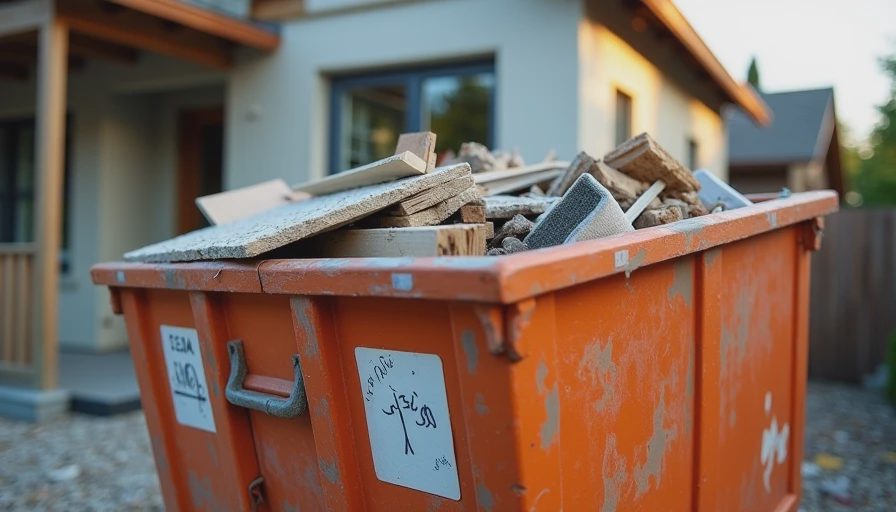
The first dumpster always looks enormous. By the end of demo week it is full of paneling, carpet, drywall scraps, and the mysterious debris that only appears when walls come open. Overweight fees or a second haul are common.
On the living room the initial dumpster share was budgeted at $180. Actual cost after a second partial haul and overweight adjustment: $312. That $132 difference is pure hidden cost. I now order one size larger than the optimistic calculation and still expect a possible second trip.
Permit and Inspection Surprises
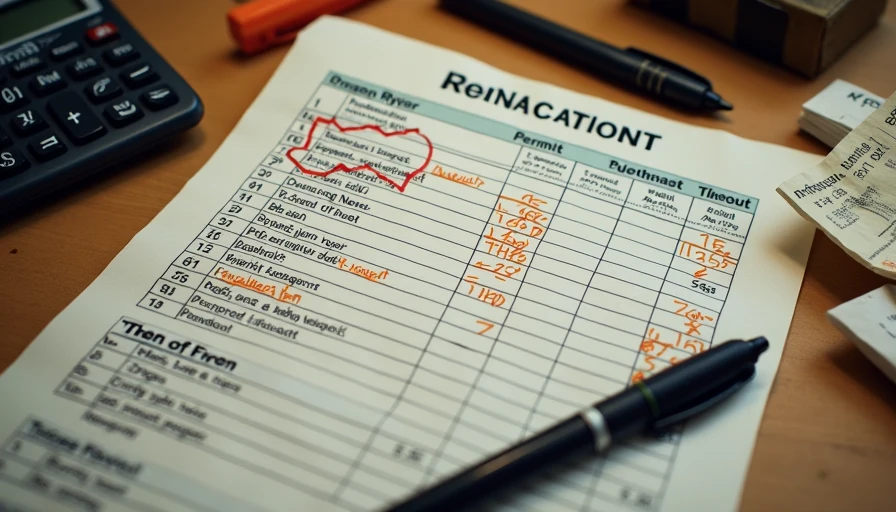
If you touch electrical, plumbing, or structural elements, permits are required. The base fee is rarely the final number. Plan-review fees, re-inspection fees when something needs correction, and the occasional “we need an additional drawing” request add up.
I have seen simple electrical permits start at $150 and land at $380 after a second inspection and a minor correction. Budget the published fee, then add 50–100% contingency for the process itself.
Takeout, Delivery, and the Feeding-the-Crew Line
When the kitchen is offline or the house is full of dust, you will not cook. Pizza, sandwiches, and the occasional desperate grocery-store rotisserie chicken become line items. On a three-week room it is easy to spend $150–$300 on food you would not otherwise have bought.
I now include a “household disruption” allowance of $75–$100 per week of heavy work. It is not glamorous, but it is real.
Tool and Blade Replacement Mid-Project
Blades dull. Sandpaper disappears. That one specialty bit you needed only once still costs $18. These micro-purchases rarely make the original materials list yet appear on the receipt roll every Friday.
I keep a running “consumables” category and seed it with $50–$75 per room. It prevents the death-by-a-thousand-cuts feeling when the total is tallied.
Disposal Fees Beyond the Dumpster
Old paint, leftover solvents, fluorescent tubes, and certain adhesives cannot go in the regular dumpster. County disposal or hazardous-waste events have their own fees and time costs. On the current house I paid $28 to dispose of leftover oil-based materials properly. Small, but unbudgeted.
The “While I’m at It” Creep
This one is internal. You fix the soft subfloor and suddenly the adjacent section looks questionable. You paint the living room and the hallway now looks tired. Each decision is rational in the moment. Collectively they move money from the contingency into new scope.
I fight this by writing a hard definition of done for each room before work starts. Anything beyond that list requires a conscious budget amendment, not a casual “while I’m at it.”
How I Capture Them Now
Every project spreadsheet has a dedicated “Hidden & Disruption” section with the categories above pre-loaded at conservative amounts. When a receipt lands that does not fit the main categories, it goes here. At the end of the room I know exactly how much the invisible work cost.
On the living room the hidden-cost total came to $287. Not catastrophic. Fully expected. And already absorbed by the 20% buffer because the buffer exists for exactly these items.
The Simple Rule
If a cost appears on more than one project, it is no longer hidden. It becomes a permanent line in the template. Dumpsters, permits, consumables, and disruption food are now permanent. They still surprise people who have not written them down yet.
Measure twice. Cut once. Write it down.
The living room is finished and the final numbers include every one of these items. When the kitchen starts, the hidden-cost section will already be waiting. That is how the surprises get smaller. The ledger stays open.
Comments
No comments yet — be the first to share a thought.