
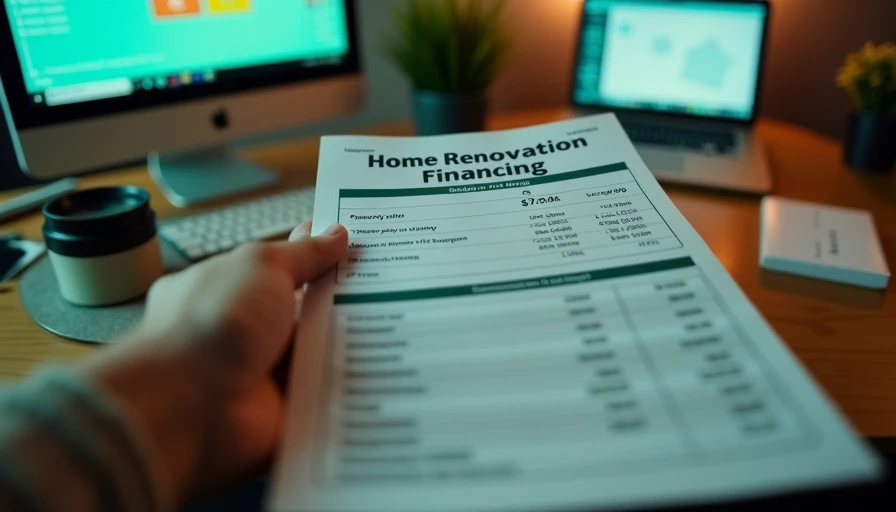
Home Equity Loan for Renovation: A Practical Homeowner’s Guide
A home equity loan for renovation can fund major projects. Learn costs, loan terms, appraisal risks, budgeting steps, and smarter ways to borrow.
A home equity loan for renovation can turn the value sitting in your walls into a predictable project budget, but it is not free money. You are borrowing against your house, and the payment continues long after the new cabinets stop looking new. I have renovated four houses, tracked every receipt in spreadsheets, and made enough expensive mistakes to know that the loan decision belongs beside the scope of work, not after it.
My current kitchen and back-room renovation started with a $42,000 contractor estimate. After permits, electrical corrections, flooring, and a 12 percent contingency, my working budget became $50,500. That difference is the part homeowners forget. The loan should cover a realistic finished project, including the ugly surprises behind the drywall.
How a home equity loan for renovation works
A home equity loan is usually a second mortgage with a fixed interest rate and fixed monthly payment. The lender gives you a lump sum, and you repay it over a set term, commonly 5 to 30 years. Your available amount depends on your home’s appraised value, your existing mortgage balance, credit profile, income, and the lender’s maximum loan-to-value limit.
For example, suppose your Greenville home appraises at $360,000 and you owe $240,000 on the first mortgage. If a lender allows total borrowing up to 80 percent of the value, the ceiling is $288,000. That leaves roughly $48,000 before closing costs, underwriting adjustments, or a lender-required reserve. The calculation is not a promise of approval, but it shows why the appraisal matters.
A home equity loan for renovation often makes sense when you know the project cost and want payment stability. A $45,000 loan at 8.5 percent for 10 years would have a principal-and-interest payment of roughly $558 per month, before any applicable fees. The exact offer depends on the lender and borrower, but the fixed structure makes the spreadsheet easy to maintain.
The main risk is collateral. If you stop paying, the lender can pursue foreclosure procedures because your home secures the debt. That does not make the product bad; it means the borrowed amount should match a durable improvement, not a wish list of decorative upgrades.
Which renovation costs belong in the loan
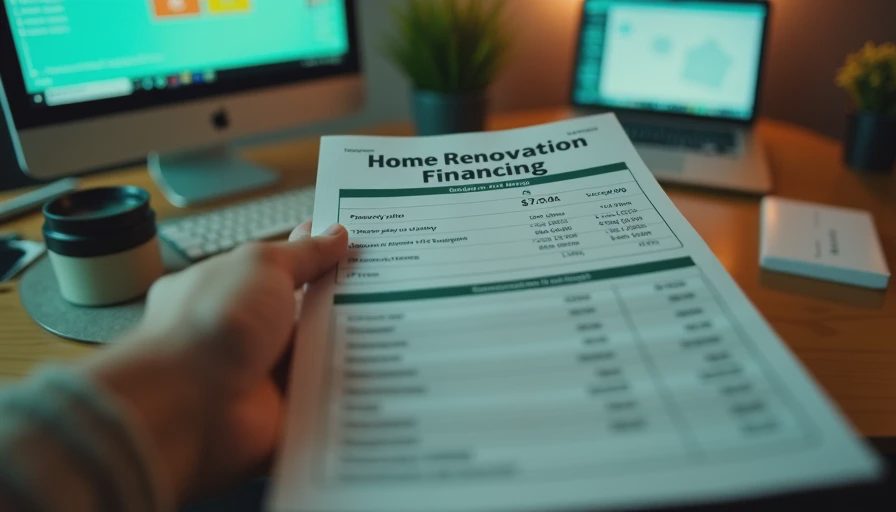
I separate renovation spending into three columns: required work, value-supporting work, and personal upgrades. Required work includes a failing roof, unsafe electrical panel, water damage, structural repair, or a broken heating and cooling system. These items protect the house even if they are not exciting in photographs.
Value-supporting work might include a functional kitchen layout, an additional bathroom, durable flooring, or improved insulation. These projects can help marketability, but they rarely return every dollar spent. As an appraiser, I learned that buyers compare your house with nearby homes. A $70,000 kitchen in a neighborhood where comparable kitchens sell with $25,000 finishes can be difficult to justify.
Personal upgrades are where budgets go to die. Imported tile, custom built-ins, a second oven, and premium lighting can be perfectly reasonable choices, but they should not be described as guaranteed investments. If I want a $4,000 statement light, I record it as a household choice rather than pretending it will add $4,000 to the resale value.
Before finalizing a home equity loan for renovation, get written bids for labor, material allowances, permit fees, dumpster rental, design work, and cleanup. Add a contingency of at least 10 percent for a straightforward cosmetic job and closer to 15 percent for older homes. My 1960s house earned the higher number when we found undersized wiring behind a wall that looked perfectly innocent.
Compare the loan with a HELOC and cash-out refinance
A home equity loan provides a lump sum and generally a fixed rate. A home equity line of credit, or HELOC, works more like a revolving credit line. You can draw money during the draw period, pay interest on what you use, and later enter a repayment period. HELOC rates are commonly variable, so the payment can change as market rates move.
A HELOC can fit a renovation with uncertain timing, such as a phased bathroom project or a job where several invoices arrive months apart. It can also tempt you to keep borrowing after the original scope expands. I have watched a $28,000 bathroom become $36,000 because the owner added heated flooring, new windows, and a hallway refresh under the same mental budget.
A cash-out refinance replaces your existing mortgage with a larger one and gives you the difference in cash. It can simplify payments, but refinancing may reset your interest rate, extend the repayment timeline, and create closing costs on the full mortgage balance. If your current first-mortgage rate is substantially lower than today’s offers, a second mortgage can preserve that rate while funding the renovation.
When I compare a home equity loan for renovation against a HELOC, I look at four numbers: total interest, closing costs, payment-change risk, and the date the project will actually need the cash. The lowest advertised rate is only one line in that comparison.

The appraisal and lender checklist
Expect the lender to review income, debts, credit history, property value, insurance, and title information. Some lenders use an in-person appraisal, while others use an automated valuation model or desktop review. Do not assume your renovation plans will automatically increase the appraised value. A proposed project is not the same as completed, permitted work.
Prepare a simple project packet. Include the contractor’s scope, two or three bids when available, a room-by-room budget, permits required by your local jurisdiction, and a schedule for major payments. If you are doing the work yourself, separate material costs from the value of your labor. The bank is underwriting repayment ability, not awarding points for how many weekends you spend covered in drywall dust.
Ask each lender whether there is an early-payoff fee, annual fee, origination charge, appraisal fee, or minimum draw requirement. Also ask how contractor payments work. A standard home equity loan usually sends funds to you at closing, while some renovation-specific products release money in stages after inspections. Those are different products with different paperwork.
A safer borrowing process
Start with the finished scope, then price it. Do not begin with the maximum amount a lender says you can borrow. Next, subtract cash you can comfortably contribute while keeping an emergency reserve. I would rather delay a backsplash than empty the account needed for a furnace repair or a job interruption.
Then test the payment against an ordinary month, not your best month. Include mortgage payments, property taxes, insurance, utilities, childcare, car costs, and maintenance. A $500 payment that works only when overtime is available is not a workable renovation budget. Run a second test using the project total plus contingency, because that is the number you are most likely to spend.
Use draws or invoices to control the work. Pay for completed milestones rather than handing over the full budget on day one. Keep lien waivers, receipts, permit records, and change orders in one folder. That documentation protects you if a contractor dispute appears and gives you a clean record for future resale.
When borrowing is the wrong renovation tool
A home equity loan for renovation is a poor fit when the project is mainly cosmetic, the payment leaves no monthly margin, or the home’s value and your debt are already uncomfortably close. It is also risky for a renovation with no defined scope. Borrowing $20,000 for “whatever we find” is how homeowners end up with half-finished rooms and a finished loan payment.
For smaller work, saving cash can be simpler. For a short, tightly controlled project, a promotional credit card offer might appear attractive, but only if the balance can be paid before the promotional period ends and the terms are understood. Contractor financing can also carry high rates or deferred-interest conditions, so compare the total dollars, not just the monthly payment.
My rule is plain: borrow for necessary work or a well-priced improvement, not for every idea that looks good on a renovation show. A home equity loan for renovation should leave you with a safer, more useful house and a payment you can carry without crossing your fingers.
Measure twice, cut once, write it down. Get the project budget, loan offer, appraisal assumptions, and contingency on the same page before demolition starts. Then request quotes from several lenders and choose the structure that still works when the wall opens and the surprise is waiting behind it.
Comments
No comments yet — be the first to share a thought.