
Drywall Patching: The 15-Minute Skill That Saves Hundreds
Learn the simple drywall patching method that fixes holes, cracks, and dents in minutes—saving you from expensive call-outs and endless frustration.
The Small Skill With Outsized Payoff
Most renovation budgets get eaten by the big-ticket items: cabinets, counters, flooring. But a surprising amount of money and time disappears into the little wounds walls collect—nail holes, doorknob dents, old anchor scars, hairline cracks, and the occasional fist-sized surprise left by previous owners.
I used to ignore them or slap on a giant blob of spackle that shrank and cracked. Then I learned a repeatable 15-minute patch method that actually lasts. It has saved me from calling a drywall guy for work I can now finish before the coffee gets cold.
This is the exact process I use on the current house and the one I wish someone had shown me on the first flip.
What You Actually Need (No Fancy Kits)
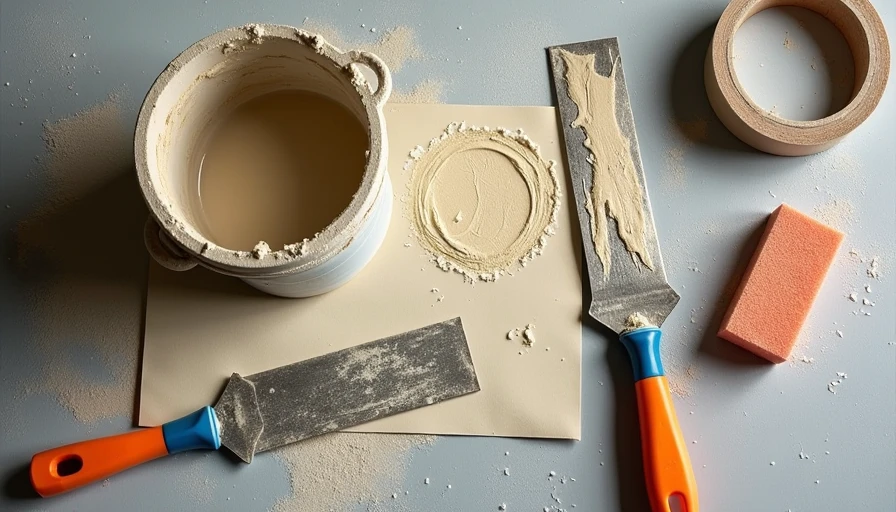
Paper drywall tape or fiberglass mesh tape for larger holes
Ready-mixed joint compound (all-purpose is fine)
A 4-inch and a 6-inch flexible taping knife
A sanding sponge (medium then fine)
A damp rag
Optional: a small piece of scrap drywall for holes bigger than 2 inches
That is the whole list. No setting-type compound required for normal household patches.
The 15-Minute Method for Small Holes and Dents
Clear the damage. Dig out any loose paper or crumbly gypsum with the corner of your knife. Wipe the dust.
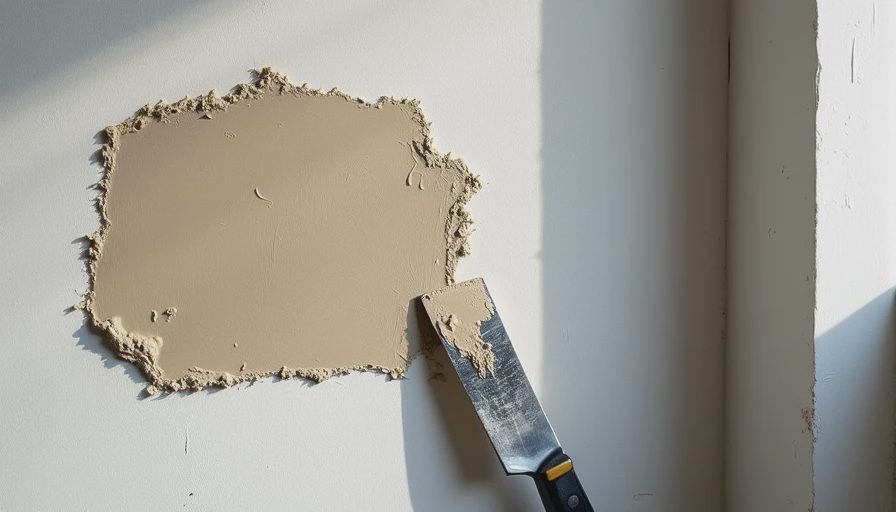
For holes under an inch, just fill with compound, pressing it in firmly. Overfill slightly.
For holes 1–2 inches, wet a piece of mesh tape or use paper tape bedded in a thin layer of mud.
First coat: press compound through and over the tape, feathering the edges about 2–3 inches beyond the damage. Let it dry.
Second thin coat, feathered wider. Dry.
Light sand with the sponge. Wipe dust.
Spot primer when you’re ready to paint.
Most small patches take less than fifteen minutes of actual work spread across two short sessions while the compound dries.
Bigger Holes: The California Patch (Still Fast)
For fist-sized holes I use a quick California patch: cut a scrap of drywall about 2 inches larger than the hole, score the back paper so you can peel the gypsum down to a thin border of face paper, then butter the back and press it into the hole so the paper overlaps the existing wall. Mud over it like a normal taped seam. Two or three coats later it disappears.
It looks like magic the first time it works.
Cracks That Keep Coming Back
Hairline cracks along seams or in corners usually need tape, not just mud. Scrape them open slightly, embed paper tape in a thin coat, then finish with two more coats feathered wide. If the crack is from seasonal movement, a little flexibility in the final coat helps, but the real fix is addressing the movement source when you can.
The Mistakes That Make Patches Fail
Applying one thick coat instead of several thin ones (it shrinks and cracks).
Sanding before the compound is fully dry.
Skipping primer over the patch (the paint sheen will advertise the repair forever).
Using lightweight spackle for anything bigger than a nail hole (it shrinks more and sands into a dish).
Why This Saves Real Money
A service call for minor drywall repair in Greenville often starts at $150–$250 just to show up, plus material. I have patched dozens of small wounds on the current house in the time it would take to explain the problem on the phone. The living-room walls alone would have added several hundred dollars if I had farmed out every ding and old anchor hole.
The skill compounds. Once you can make a patch disappear, you stop living with ugly walls “until we paint someday.” You just fix them.
Practice on Scrap First
If you have never bedded tape before, take a leftover piece of drywall and deliberately damage it. Practice the coats. You will feel the right pressure and the right thinness after two or three tries. Then move to the real wall.
Measure twice. Cut once. Write it down.
Drywall patching is the rare renovation skill that takes almost no space in the toolbox and pays you back every time a door handle kisses the wall. Master the 15-minute version and you will stop paying other people to fix the small stuff. The living room walls are proof it works. See you on the next punch-list item.
Comments
No comments yet — be the first to share a thought.