
How to Renovate a Bathroom on a Budget Without Cutting Corners
Learn how to renovate a bathroom on a budget with practical cost ranges, DIY steps, and honest advice on where to spend or save before you pick up a tool.
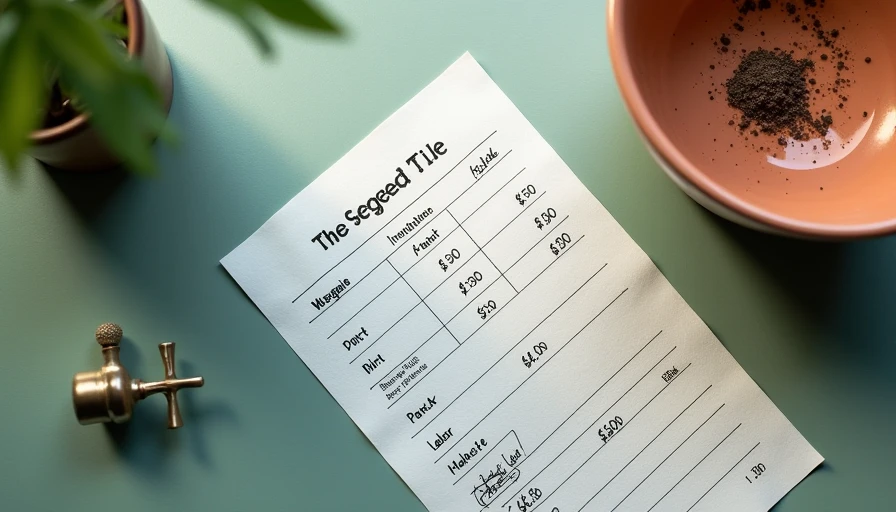
If you are trying to learn how to renovate a bathroom on a budget, start with a spreadsheet, not a demolition hammer. A small bathroom can absorb $8,000 to $20,000 surprisingly fast, but a careful homeowner can often refresh one for $3,000 to $7,000 by keeping the plumbing where it is and choosing upgrades that improve daily use. I know because I have made both kinds of mistakes. Measure twice, cut once, write it down.
Set the budget before choosing tile
My first budget line is always the room's condition. A dry, functional bathroom with ugly finishes is a very different project from one with a soft floor, stained subfloor, leaking valve, or mold behind the shower. Before shopping, remove the access panel if you have one, inspect around the toilet base, and press gently near the tub and corners. A spongy floor is not a cosmetic problem.
For a basic refresh in the Upstate South Carolina market, I would pencil in $300 to $700 for paint, caulk, hardware, lighting, and accessories. A vanity and faucet can add $500 to $1,500. New flooring commonly adds $600 to $1,800, depending on room size and whether you install it yourself. A shower replacement is the budget breaker, often reaching $2,500 to $8,000 before a major plumbing change.
Hold back at least 15 percent for surprises. On my last bathroom, the planned $4,200 budget became $5,060 after I found a damaged flange and replaced a shutoff valve. That reserve was cheaper than stopping the project halfway.
The best way to renovate a bathroom on a budget is to decide what stays before you decide what gets replaced. Keeping the tub, toilet location, drain lines, and electrical locations can save thousands in labor and permit-related work.
Spend money where water can cause damage
There are places to economize and places where cheap work becomes an expensive repair. Waterproofing belongs in the second category. If you are rebuilding a shower, use a complete system from one manufacturer and follow its instructions for seams, corners, niches, and the drain. A tile surface is not automatically waterproof. Water gets through grout and small cracks, so the layer behind the tile has to do the real work.
I would also spend on a reliable shower valve, a solid toilet flange, and a quality exhaust fan. A $150 to $250 fan that actually moves moisture is more useful than a decorative light fixture. Run the fan during showers and for 20 minutes afterward. If the fan vents into the attic instead of outdoors, correct that before spending money on new towels.
For visible materials, midrange is usually the sweet spot. A $3-per-square-foot porcelain tile can look just as calm and substantial as a $12 tile when the layout is simple. Large-format tile reduces grout lines, but it can be harder to handle because walls must be flatter. Subway tile remains inexpensive, widely available, and easier for a first-time installer to repair later.
DIY work that is worth your time
Painting, removing old accessories, installing a mirror, changing cabinet pulls, replacing a light fixture, and laying click-lock luxury vinyl plank are reasonable DIY tasks for many homeowners. Read the instructions, turn off the breaker before electrical work, and do not work on plumbing that you cannot shut off completely.
A vanity swap can also be manageable if the new cabinet matches the existing drain and supply locations. Measure the old vanity at the base, not just the countertop. I once ordered a cabinet that was the correct width but too deep for the door swing. The return freight cost $86, which is the sort of line item no mood board mentions.
To renovate a bathroom on a budget, use labor strategically. You can remove a vanity and haul debris, then hire a licensed plumber for a valve relocation. You can paint and install hardware, then hire a tile professional for a shower pan. The goal is not to prove you can do everything. It is to keep your time on low-risk tasks and pay for skill where a failure hides behind finished surfaces.
Before starting, photograph every wall and label water lines, studs, and electrical boxes. Save leftover tile, grout, paint, and a faucet cartridge in a labeled plastic bin. Six months later, that bin can prevent a $300 service call.

Make a small bathroom look finished for less
A budget bathroom improves dramatically when the details agree. Pick one metal finish for the faucet, towel bar, and cabinet hardware. That does not mean every item must come from the same collection; it means the room looks planned instead of assembled from leftovers. Black, brushed nickel, and chrome are usually easier to match than unusual finishes.
Use the existing layout to your advantage. A clean white or warm-gray wall color, one attractive mirror, and a brighter ceiling can make a narrow room feel larger without moving a wall. If the vanity is structurally sound, paint it with a cabinet-grade enamel and replace the pulls. A $60 hardware change and $120 in paint can rescue a cabinet that would cost $700 to replace.
Lighting deserves practical attention. A single ceiling fixture often leaves your face in shadow. If the wiring allows it, add a vanity light at eye level or use a wide fixture above the mirror. Choose a damp-rated fixture where required, and do not put a standard fixture inside a shower area.
A sample $5,000 renovation plan
Here is how I would allocate $5,000 for a 50-square-foot hall bathroom with working plumbing and no structural damage. Set aside $750 for a stock vanity, countertop, faucet, mirror, and hardware. Allow $850 for flooring, underlayment, trim, and installation supplies. Budget $450 for paint, lighting, exhaust improvements, and electrical accessories. Reserve $500 for the toilet, supply lines, shutoff, and small plumbing parts. Put $900 toward a professional shower repair or tile labor, depending on the room's condition. The remaining $1,550 covers demolition, disposal, tools, permits, tax, and the contingency fund.
That plan assumes the tub remains. If you convert a tub to a walk-in shower, expect the budget to change sharply. The work may require framing, waterproofing, a new drain, glass, tile, and plumbing. A prefabricated shower kit can control costs, but the wall preparation and installation still matter more than the package's advertised price.
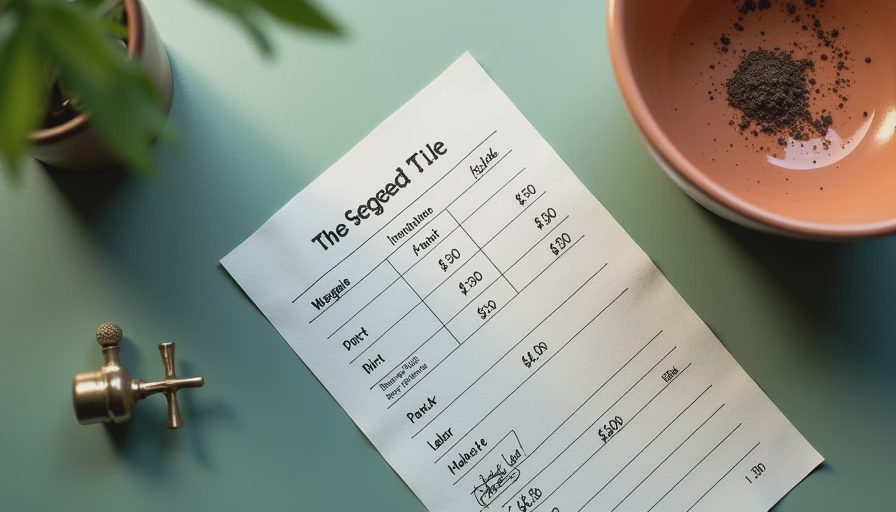
How to renovate a bathroom on a budget becomes much easier when the scope is fixed in writing. List every item, its expected price, delivery date, and whether you or a contractor handles it. A spreadsheet exposes bad decisions before they reach the cart.
The final inspection before calling it done
Run the shower for 15 minutes and inspect the ceiling below, if accessible. Flush the toilet several times, check both sides of every supply connection, and confirm that cabinet doors clear the toilet and shower glass. Look at tile transitions from a standing position, not with your nose six inches away. Small variations are normal; loose tile, hollow corners, standing water, and moving fixtures are not.
Re-caulk changes of plane inside the shower with a suitable bathroom sealant, but do not use caulk to disguise a failed waterproofing detail. Install towel bars into solid blocking or appropriate anchors. Leave access to the shutoff valves and clean the aerator screens after the first few uses.
My own rule for how to renovate a bathroom on a budget is simple: protect the structure, keep the layout, buy ordinary materials, and spend where replacement would require opening the wall. A bathroom does not need a $10,000 stone vanity to feel new. It needs dry surfaces, dependable fixtures, good light, and a plan that survives the receipt total.
Comments
No comments yet — be the first to share a thought.