
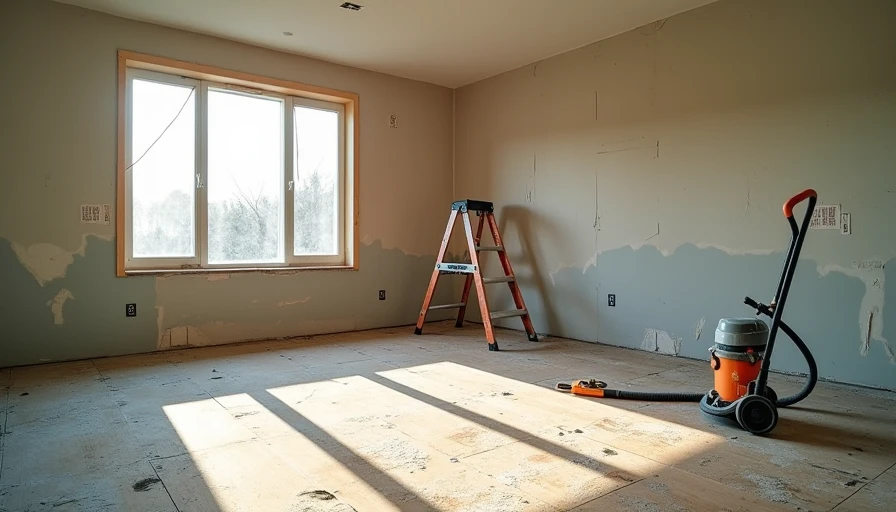
Living Room Week 2: Floors Are Out and the Subfloor Has Opinions
Week two in the living room: carpet’s gone, the subfloor is talking, and the repair list just got longer. Real progress, real surprises, still writing it down.
The Carpet Finally Leaves the Building
Week two started with the last of the old carpet and pad rolled up and hauled to the dumpster. What remained was a 12-by-16 rectangle of plywood subfloor that had been hiding under padding since sometime in the late nineties. I had already spotted soft spots near the front window during demo week. This week I got to meet them properly.
I walked the whole floor in work boots, screwdriver in hand, pressing and listening. Two areas gave underfoot. One near the exterior wall felt spongy across three joist bays. Another closer to the hallway had a single soft board that had clearly taken a long-term leak from an old plant stand or a pet dish—hard to tell after twenty years.
The spreadsheet had a modest line for “subfloor repairs.” That line is now laughing at me.
Sistering, Patching, and the Sound of Progress
I pulled the bad sections. The joists underneath were still solid—no rot, just the plywood that had given up. I sistered new 2x material alongside the existing joists where the span felt under-supported, then cut fresh ¾-inch plywood patches and screwed them down like I meant it. Every screw got driven with the impact driver that finally earned its keep this week.
The room is small, but the work is slow when you’re checking for level, making sure the new patches sit flush, and vacuuming every time Dusty Springfield starts to lose suction from the fine dust. By Thursday afternoon the soft spots were gone. The floor felt like a floor again instead of a suggestion.
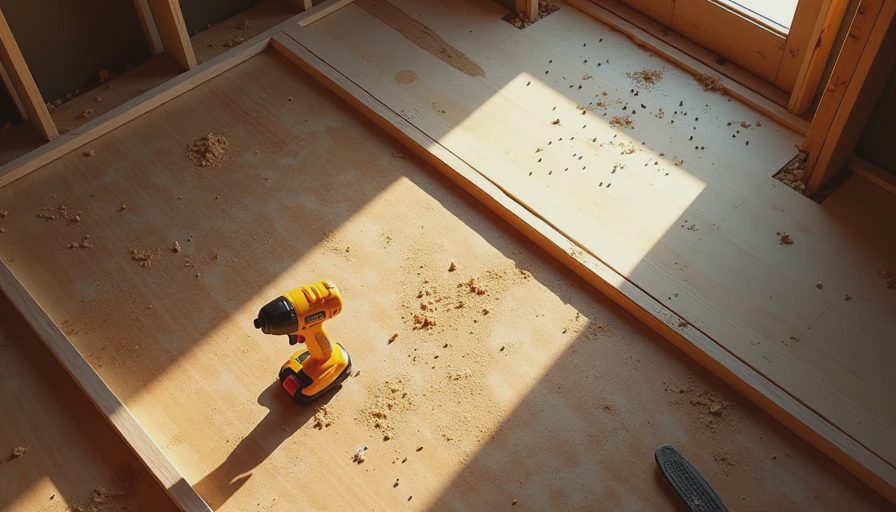
I still need to skim a thin layer of floor leveler in two places before the new flooring goes down. That was not in the original plan. It is now.
The Walls Start Demanding Attention
With the floor stable, the walls became impossible to ignore. The paneling is completely gone. What’s left is original drywall with a vertical crack that runs almost floor to ceiling on the long wall, plus a collection of smaller holes from old cable and phone lines. I spent most of Friday on drywall repair: tape, mud, sand, repeat.
Drywall is the job that reminds me why I don’t do drywall for a living. The dust gets everywhere. The mud dries slower than you want when the humidity sits in the mid-sixties. And no matter how careful you are, you will sand a spot too thin and have to add another coat.
I got the main crack taped and the first two coats on. Final sanding and primer will wait until next week. The goal is a surface that doesn’t announce every past mistake when the light hits it in the late afternoon.
Insulation Reality Check
Behind the exterior wall paneling I had already found the 1940s newspaper insulation. This week I finished removing the rest of it and added proper unfaced batts where the wall cavities were empty or under-filled. Not a full energy retrofit—just the obvious gaps that were letting conditioned air wander off into the attic and the crawlspace.
The difference in the room is already noticeable. It feels quieter. The exterior wall no longer has that slight chill that used to sit on your shoulder when you stood near it.
Week Two Numbers
Materials this week:
Plywood and framing lumber for sistering: $147
Screws, construction adhesive, floor leveler: $68
Drywall tape, mud, sandpaper: $41
Unfaced insulation batts: $89
Running living-room total after two weeks: $757 in materials and dumpster share. Labor remains free (and occasionally sore). The contingency column is still doing its job.
What the Subfloor Taught Me Again
Every house this age has a few secrets under the carpet. Soft spots are not a moral failing. They’re information. The longer you ignore them, the more expensive the conversation becomes when the new flooring is already ordered.
Sistering is almost always cheaper than pretending the problem isn’t there. And a laser measurer plus a notebook still beats guessing when you’re cutting patches alone in a dusty room.
The living room is starting to look like a construction site that might eventually become a room again. Ceiling is bare, walls are mostly repaired, floor is solid. Next week the electrical check happens, then primer, then the long-awaited moment when new flooring starts to go down.
Measure twice. Cut once. Write it down.
The subfloor has said its piece. I’m listening. See you in week three when the drywall finally stops arguing and the paint cans come out.
Comments
No comments yet — be the first to share a thought.