
Rhonda the Miter Saw: A Tool Review with Feelings
An honest, slightly emotional review of the sliding compound miter saw I named Rhonda—what she does well, where she struggles, and why she’s non-negotiable.
Meet Rhonda
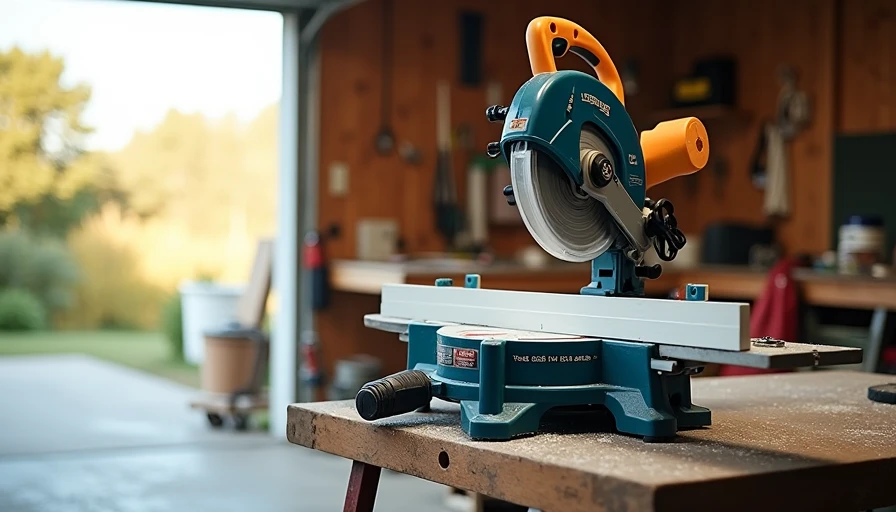
Rhonda is a 10-inch sliding compound miter saw. She lives on a folding stand in the garage, wears a thin layer of sawdust like perfume, and has cut every piece of trim, casing, and cross-cut lumber on the current house. I named her the day she arrived because tools that earn their keep deserve names, and “the miter saw” felt too impersonal for something that saves me this much frustration.
This is not a lab-test review with decibel meters and laser-measured runout. This is a field review after months of real renovation use: what she does well, where she complains, and whether I would buy her again.
What She Actually Does for Me
Rhonda’s main job is accurate, repeatable crosscuts and miters. Baseboard, door casing, window trim, the occasional 2x for blocking—she handles all of it without the slow drift you get from a circular saw and speed square when you’re tired.
The sliding feature matters more than I expected. I can crosscut wider material without flipping the board. The compound tilt lets me cut bevels for crown when that day finally arrives. The detent stops at common angles are close enough that I only fine-tune with the scale for critical joints.
She is not quiet. She is not lightweight. She is, however, predictable. Once the blade is square and the fence is true, the cuts come out the same way every time. That consistency is worth more on a finish-work day than any fancy feature.

The Good
Sliding capacity turns awkward wide stock into normal cuts
Soft-start motor doesn’t jerk the saw on startup
Dust port actually connects to Dusty Springfield and captures a usable amount of sawdust
Stand is stable enough that I trust it on the garage floor
Blade changes are straightforward once you’ve done them twice
After the living-room trim starts in earnest, I expect her to stay busy for weeks. She has already paid for herself in time saved and joints that close without filler.
The Less Good
She is heavy. Moving her is a two-hand, watch-your-back operation.
The factory blade was serviceable but not great for fine trim. I swapped it for a higher-tooth-count blade on week two and never looked back.
Like most miter saws in this class, the dust collection is “better than nothing” rather than “clean.” Fine dust still escapes.
The LED shadow line is helpful but not a replacement for a sharp pencil mark when precision matters.
None of these are deal-breakers. They are simply the reality of a mid-range sliding compound saw used in a real garage instead of a showroom.
Who Should Buy One Like Rhonda
If you are doing more than a single room of trim, or if you value clean miters over “close enough,” a sliding compound miter saw moves from luxury to tool. If you only cut the occasional 2x and never touch finish work, a circular saw plus a good guide will still serve you.
I waited too long on the first house. The difference in speed and joint quality on the current living room is obvious every time I stack a set of pre-cut casing.
Maintenance Reality
I brush her off after every session, check the blade for pitch buildup, and verify square whenever I change blades or move the stand. That is the entire maintenance routine. She does not need weekly love letters—just basic respect and a sharp blade.
Would I Buy Her Again?
Yes. Same class, same sliding compound design. I might look at a model with slightly better dust collection or a more precise adjustment system, but the core capability is exactly what the work demands.
Rhonda is not the fanciest saw on the market. She is the one that shows up, makes the cut, and lets me move on to the next piece. In a renovation, that reliability is the feature that matters most.
Measure twice. Cut once. Write it down.
She already has a permanent parking spot in the garage. When the living-room trim starts, you will hear her from the driveway. Next tool talk we will look at the blades that actually make these saws sing. The ledger stays open.
Comments
No comments yet — be the first to share a thought.