
The Five Tools I Wish I'd Bought on Day One
The five tools that would have saved me time, money, and frustration on every renovation—bought late, used constantly, and now non-negotiable.
The Tools That Showed Up Too Late
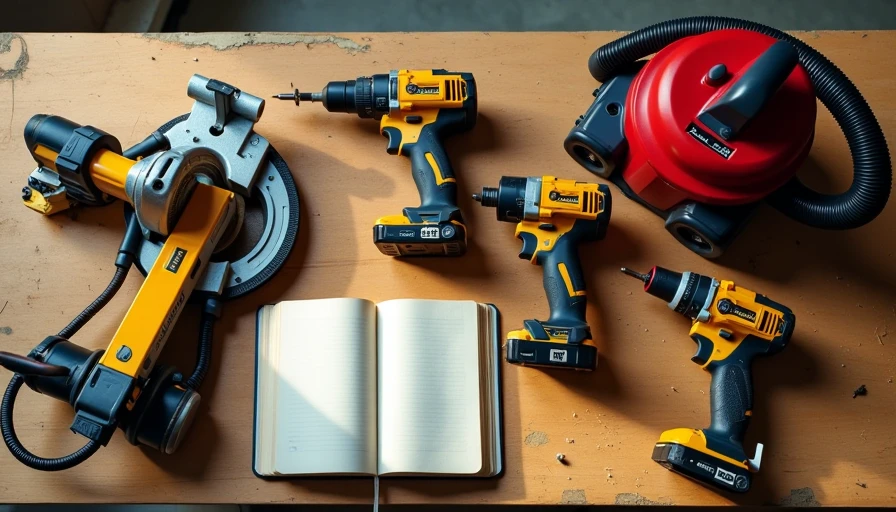
I’ve renovated four houses. On the first one I owned almost nothing beyond a circular saw I borrowed and a drill that smelled like it had survived a flood. By the third house I had a garage full of tools and a long list of “I can’t believe I waited this long” purchases.
These are the five that sit at the top of that list. Not the flashiest. Not the most expensive. Just the ones that, if I could hand them to my past self on day one of the first flip, would have cut weeks of frustration and more than a few hundred dollars in do-overs.
All five have earned their names. All five still get used on the current house. And every one of them paid for itself faster than the spreadsheet predicted.
1. A Real Miter Saw (Rhonda)
I started with a circular saw and a speed square. It works. It also produces more slightly-off cuts than I care to admit. When I finally bought a 10-inch sliding compound miter saw, trim work stopped feeling like punishment.
Rhonda lives on a folding stand in the garage. She crosscuts 2x material cleanly, handles crown when I finally get to that room, and makes the repetitive cuts for baseboard and casing almost pleasant. The difference between “close enough” and “the joint actually closes” is this saw.
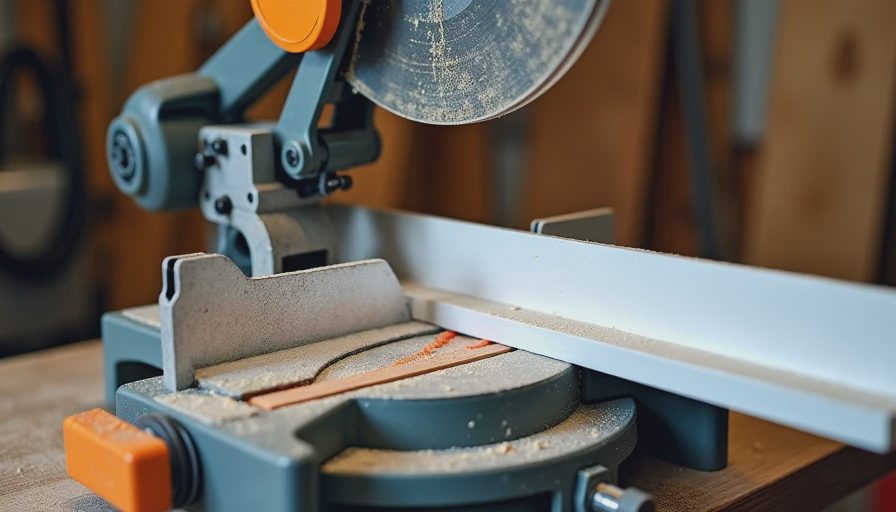
What I wish I’d known: buy the sliding version even if you think you don’t need the capacity. You will. And get a decent blade on day one instead of the one that comes in the box.
2. A High-Quality Shop Vac (Dusty Springfield)
The cheap wet/dry vac I used on the first house clogged, lost suction, and eventually cracked. Dusty Springfield is a 6.5-horsepower unit with a proper HEPA filter and a hose that doesn’t kink every six feet.
During living-room demo she ran for hours without complaint. Drywall dust, popcorn ceiling debris, the fine powder that settles on everything—she handles it. The moment you switch from “broom and dustpan” to a real vac is the moment the job site stops feeling like a losing battle against dirt.
Bonus: the same vac pulls double duty for clearing sawdust after every cutting session. One tool, two daily jobs.
3. An Impact Driver (and a Second Battery)
I owned a regular drill for years and thought it was enough. Then I used an impact driver to drive three-inch screws into old framing without the bit camming out or my wrist filing a complaint.
The impact driver is the tool I reach for more than any other on this house. Cabinet hardware, subfloor screws, ledger boards, anything that needs to go in tight and stay there. Pair it with a second battery so you’re never waiting on a charge when the sun is still up and the coffee is still working.
If I could only keep five power tools, this would be one of them.
4. A Multi-Tool / Oscillating Tool
This is the one I resisted the longest because it looked like a gimmick. It is not.
Cutting flush to a wall, removing old caulk, plunging into drywall for an electrical box, trimming shims, undercutting door casings—jobs that used to require three different tools and a lot of creative swearing now take one oscillating tool and five minutes. I use it almost every day the living room is in progress.
Buy a decent brand with a good selection of blades. The cheap ones vibrate until your fingers go numb and then burn out.
5. A Laser Distance Measurer (and a Real Notebook)
I measured rooms with a tape measure for years. It works until you’re alone, the tape kinks, and you write the wrong number down. A basic laser measurer gives you accurate lengths in seconds and lets you check diagonals without gymnastics.
I still write everything in a paper notebook—old habit from the appraisal days—but the laser means the numbers I write are actually right the first time. Combined with the rule “measure twice, cut once, write it down,” it has eliminated more than one return trip to the lumber yard.
What I Still Don’t Own (and Why)
I do not own a table saw yet. I rent one when the project needs it. Same with a heavy-duty air compressor and finish nailer setup. For the volume of work I do on my own house, ownership hasn’t crossed the break-even line. The five tools above crossed it on the first or second major project.
The Real Cost of Waiting
Every one of these tools cost more than the cheap version I started with. Every one of them has already saved more in time, materials, and redone work than the price difference. The spreadsheet doesn’t capture the mental cost of fighting a tool that isn’t up to the job, but your back and your mood keep that ledger whether you write it down or not.
If you’re standing at the start of your first real renovation, these five will make the days shorter and the results cleaner. Buy them once, name them if you want, and put them to work.
Measure twice. Cut once. Write it down.
Rhonda, Dusty, and the rest are already earning their keep on the living room. Next week we’ll talk about when it actually makes sense to rent instead of buy. The ledger stays open.
Comments
No comments yet — be the first to share a thought.