
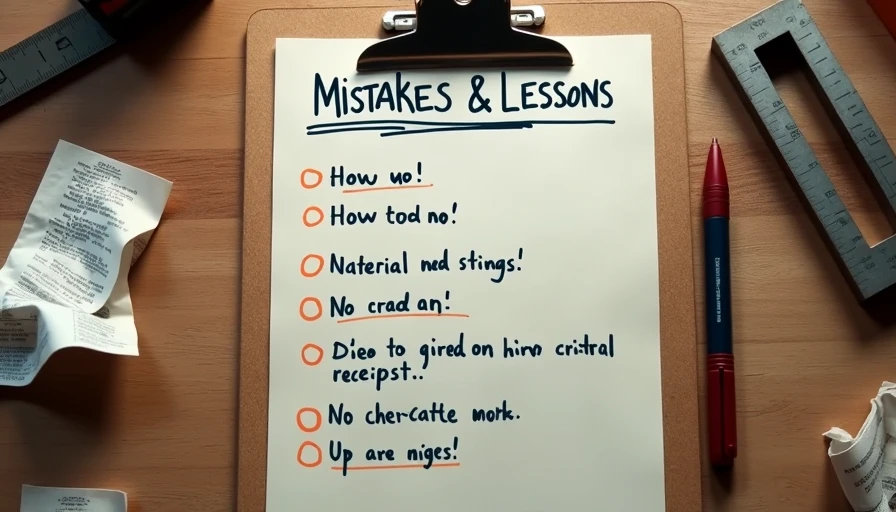
Five Mistakes I Made on My First Renovation (So You Don't Have To)
The five biggest mistakes from my first house flip—budget blindness, tool cheapness, and the lessons that still save me money on every project since.
The House That Taught Me the Hard Way
My first renovation was a small 1960s ranch on the east side of Greenville. I bought it with more optimism than experience, a circular saw that belonged to a neighbor, and a budget that lived mostly in my head. I finished the house. I even made a little money. But the list of things I would do differently is longer than the punch list I left for the new owners.
These are the five mistakes that cost me the most time, the most money, or the most sleep. I’m writing them down so you can skip at least a few of them.
Mistake 1: Treating the Budget Like a Suggestion
I started with a number I thought was safe. Then I started making “small” decisions without writing them down. A better faucet here. An extra gallon of paint there. A dumpster that needed a second haul. By the end the actual spend was almost 40% over the original guess.
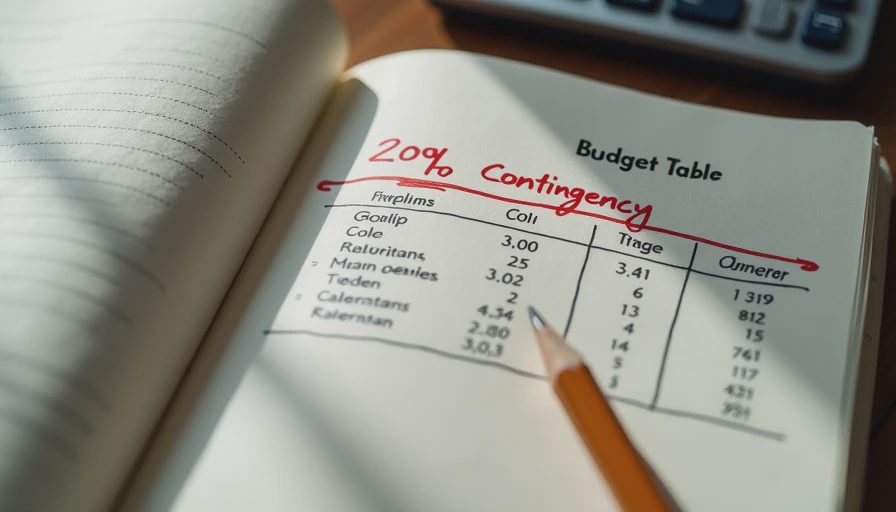
The fix is simple and non-negotiable now: every dollar gets a line in the spreadsheet the same day it leaves the account. I also lock in a hard 20% contingency before demo starts. That buffer is not for upgrades. It is for the things the walls are hiding.
If you only take one thing from this post, take the habit of writing the number down before the receipt hits the bottom of the tool bag.
Mistake 2: Buying the Cheapest Version of Everything
I outfitted the first job with the lowest-price tools and materials that still looked usable. The wet/dry vac died halfway through drywall. The drill bits rounded off on old framing. The paint that seemed like a bargain required three coats instead of two and still looked uneven in certain light.
Cheap is expensive when it slows you down or forces a redo. These days I buy mid-grade tools that will survive the current house and the next one. I still shop sales and I still compare prices, but I stopped confusing “lowest sticker” with “lowest total cost.”
Mistake 3: Skipping the Ugly Inspection Steps
I was so ready to make the house pretty that I rushed past the boring structural and systems checks. Soft subfloor under the carpet. An electrical panel that was already at capacity. A supply line that decided to weep the week after the new flooring went down.
Now every project starts with the unsexy work: moisture meter on the floors and walls, careful look at the panel, pressure test on the plumbing if I’m touching it, and a flashlight in every crawlspace and attic corner. Finding the problem in week one is cheaper than finding it in week six.
Mistake 4: Underestimating Dust and Debris
I thought two rolls of plastic and a broom would handle demo. The house disagreed. Fine drywall dust settled on every surface two rooms away. The dumpster filled faster than expected. I spent more time cleaning than I had budgeted for the actual work.
These days Dusty Springfield (the shop vac) runs almost constantly during dirty phases, plastic goes up on every doorway, and I order the dumpster one size larger than the optimistic calculation. The extra fifty dollars in containment and haul-off is cheaper than the day you spend wiping dust off the same surfaces for the third time.
Mistake 5: Working Without a Clear Stopping Point
On that first house I kept moving the finish line. “While I’m at it” became a dangerous phrase. One more section of trim. One more coat of paint. One more small repair that somehow turned into a half-day project.
Now every room gets a written definition of done before I start. When the list is checked, the room is finished—even if I can still see a better version in my head. Perfection is a moving target. A finished, functional room that comes in near budget is a win.
The Common Thread
Every one of these mistakes came from the same root: I wanted the after photos more than I wanted the process to be honest. The spreadsheet, the better tools, the boring inspections, the dust control, and the clear finish line are all ways of keeping the process honest.
I still make new mistakes. The living room on the current house has already taught me a couple. But they are smaller, they get written down the same day, and they cost less than the ones from that first ranch.
Measure twice. Cut once. Write it down.
If you’re about to start your first real renovation, steal these five lessons. Your future self—and your bank account—will thank you. The living room is still in progress and the ledger is open. See you on the next punch-list item.
Comments
No comments yet — be the first to share a thought.