

Miter Saw vs. Table Saw vs. Circular Saw: Which One When
Clear, no-nonsense guide to when you actually need a miter saw, table saw, or circular saw—based on real renovation work, not tool-catalog dreams.
Three Saws, Three Jobs, One Honest Ranking
Walk into any big-box store and the saw aisle will try to convince you that you need all of them on day one. You don’t. After four houses and a garage that still isn’t big enough, here is the practical breakdown I use and the order I actually recommend for most people renovating their own place.
Circular Saw: The One You Start With
If you only own one saw, make it a circular saw. It crosscuts, rips (with a guide), plunges, and fits in a small trunk. I used one exclusively on my first flip and still reach for it when I’m cutting sheathing, trimming plywood patches, or working in a tight space where a bigger saw won’t fit.
Strengths: portable, relatively cheap, handles most framing and sheet-goods cuts.
Limitations: long straight rips are slower and less precise than a table saw; repeated accurate crosscuts for trim get tiring.
Buy a decent 7¼-inch sidewinder or worm-drive, a sharp thin-kerf blade, and a straight-edge guide. That combination will carry you through demo, subfloor repairs, and most framing without drama.
Miter Saw: The Trim and Crosscut King
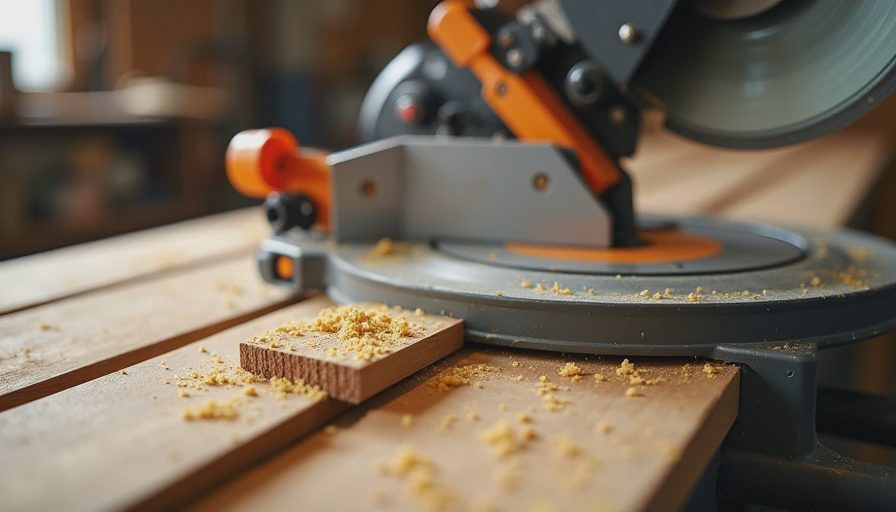
Once you start doing baseboard, casing, crown, or any repetitive crosscuts, a miter saw stops being optional. Rhonda (my 10-inch sliding compound miter saw) earns her keep every single week on the current house.
Strengths: fast, accurate crosscuts and miters; sliding models handle wider material; compound models tilt for bevels.
Limitations: not great for long rips; takes more floor space; the good ones cost real money.
For most homeowners a 10-inch sliding compound is the sweet spot. You can cut 2x material, wide baseboard, and most casing without fighting the saw. Non-sliding is cheaper and fine if you mostly cut narrower trim. I waited too long to buy one on the first house and paid for it in frustration and slightly gappy joints.
Table Saw: The Shop Tool You Rent Until You Don’t
A table saw is unmatched for accurate long rips, repeated identical cuts, and certain joinery. It is also the heaviest, loudest, and most space-hungry of the three. On my own houses I still rent one when a project needs a lot of ripping (built-ins, large quantities of plywood, custom shelving).
Strengths: precision ripping, consistent results, can do more advanced cuts with the right jigs.
Limitations: not portable, higher learning curve for safe use, overkill for many room-by-room renovations.
If you have a dedicated shop space and you know you will use it monthly, buy a solid contractor or hybrid model. If you only need it three or four times a year, rent. The break-even math rarely favors ownership for pure renovation work.
Which One When – The Quick Decision Chart
Framing, sheathing, rough plywood, demo cuts → Circular saw
Baseboard, casing, crown, repeated crosscuts → Miter saw
Long accurate rips, sheet goods in volume, shop-style work → Table saw (rent or own)
Only buying one saw this year → Circular saw
Second saw → Miter saw
Third saw → Table saw when the rental fees start to annoy you
The Blades Matter More Than the Brand
A sharp, appropriate blade turns an average saw into a good one. I keep a framing blade and a fine-finish blade for the circular saw, a high-tooth-count blade on Rhonda for trim, and I inspect rental table-saw blades before I start. Dull blades burn wood, wander, and make you blame the saw when the real problem is the cutting edge.
What I Actually Own and Why
Circular saw: yes, used constantly.
Miter saw (Rhonda): yes, non-negotiable for finish work.
Table saw: no, still renting. The garage space and the frequency of need have not yet justified the purchase.
That combination has covered every cut on the current living room and will cover the kitchen when we get there.
The Real Cost of Buying Out of Order
Buying a table saw first because it looks impressive is a common way to spend money you later wish was in a miter saw or a better shop vac. Match the tool to the work you will do in the next twelve months, not the work you might do someday in a dream shop.
Measure twice. Cut once. Write it down.
Rhonda is already set up for the next round of trim in the living room. If you’re standing in the saw aisle this weekend, start with the circular, add the miter when the trim starts, and rent the table until the math changes. Your wallet and your floor space will thank you.
Comments
No comments yet — be the first to share a thought.