
Home Renovations on a Budget: A Room-by-Room Plan That Actually Holds Up
Home renovations on a budget start with a plan, not a shopping cart. Learn where to spend, where to save, and avoid costly surprises early this year.
Home renovations on a budget are a lot easier when you stop thinking like a TV show and start thinking like a spreadsheet. The first mistake I made on my own houses was treating every room like it deserved the same level of finish. It doesn’t. A $600 paint refresh can do more for a tired hallway than a $6,000 feature wall nobody asked for. If you want home renovations on a budget to work in the real world, start by deciding which rooms need to look better, which rooms need to function better, and which rooms can wait until next year. That order matters because every dollar you spend has a job.
Start Where the Value Actually Shows Up
If I were walking a first-time homeowner through a house in Greenville, I’d start with the rooms people touch every day. Paint, lighting, and flooring usually beat fancy upgrades when the budget is tight. A gallon of decent interior paint from Sherwin-Williams or Benjamin Moore can run $35 to $80, and a few gallons plus rollers, caulk, and patch compound can make a whole house feel cleaner fast. Luxury vinyl plank is another good example. In a normal-size room, material might land around $2 to $5 per square foot, and it hides the sins of old subfloors better than some people want to admit.
Kitchens and baths still matter, but they are budget traps if you let the scope wander. A cabinet door swap, new hardware, and a fresh backsplash can give you the look of a bigger project without opening every wall. That is where home renovations on a budget stay sane: improve the surface first, then decide whether the bones really need work.
Build the Budget Backward Before Demo Starts
The cleanest way to avoid surprises is to write the finished version first, then price it backward. I mean all of it: materials, labor, permit fees if your town requires them, dumpster rental, delivery charges, and a contingency line that you do not spend on a nicer faucet just because it looks good in the box. On small projects, I like a cushion of 10 to 15 percent. On older houses, especially ones with mystery plumbing or 1970s wiring, I would push that higher.
A lot of homeowners undercount the ugly parts. You are not just buying tile; you are buying thinset, grout, trim, transition pieces, and the extra day it takes when the floor is out of level. You are not just buying cabinets; you may also need filler strips, crown, toe-kick pieces, and a plumber to reconnect the sink. That is why home renovations on a budget works best when you price the whole chain instead of the shiny center piece.

Save on Labor Without Making the Job Miserable
DIY is worth it when the task is repetitive, visible, and forgiving. Painting, demo, trim prep, cabinet hardware, and some flooring jobs fit that description. What I would not hand to a rookie is anything involving major electrical changes, load-bearing walls, gas lines, or a shower pan. There is a difference between learning and gambling with a repair bill.
The sweet spot is splitting the job. Let a pro handle the part that is hard to redo, then take on the finish work yourself. For example, I have seen homeowners pay a tile setter for the shower pan and waterproofing, then do the paint, vanity install, mirror, and accessories on their own. That kind of division keeps the quality where it matters and trims the invoice where it does not. In the Upstate, where labor is usually less brutal than in the big coastal markets, smart coordination still beats a pile of change orders.
A Realistic Greenville Budget Example
Here is a simple example from the kind of project I see all the time: a starter-home refresh in Greenville with one small kitchen, one hallway, and two bedrooms. The owner wants cleaner surfaces, better lighting, and a look that does not scream “temporary fix.” On paper, the math could look like this: $1,200 for paint and supplies, $900 for new lighting and basic electrical labor, $1,800 for LVP in the main areas, $1,000 for trim and hardware, and another $700 to cover delivery, patching, and the little things that always show up. That lands near $5,600 before surprises.
If the same homeowner adds new cabinets, stone counters, and a full backsplash, the number can jump fast into five figures. That is not a reason to panic. It is a reason to separate “need” from “nice.” Home renovations on a budget get easier when you decide which parts are cosmetic and which parts affect daily use. A room can look transformed long before every surface is replaced.
The Mistakes That Eat a Budget Alive
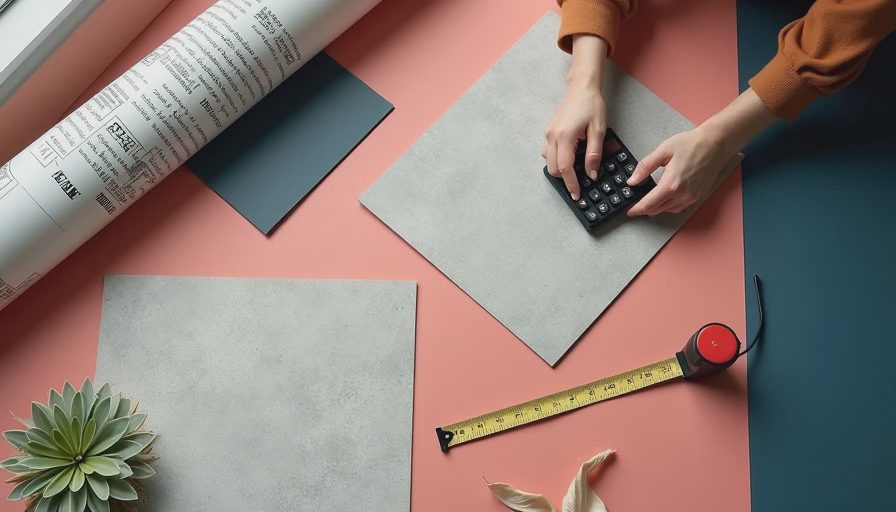
The fastest way to burn cash is to start buying materials before the measurements are locked. I have done that, and the extras always seem to be either too much or not enough. Another expensive habit is changing the scope after demo. Once the walls are open, every added idea seems small, but three small ideas can add a thousand dollars before lunch. The same thing happens when people choose materials based on the sample board instead of the room. A glossy floor in a dark space or a tiny tile in a busy bath can create more work than value.
The other silent killer is underestimating disposal and cleanup. Dumpsters, dump runs, and labor to haul debris are not glamorous, but they are real. In a renovation ledger, those line items belong right next to fixtures and finishes, not at the end in a hopeful footnote. That is one reason home renovations on a budget should always include a cleanup buffer. A tidy job site keeps the project moving, and moving projects cost less than stalled ones.
My Short List Before I Spend Another Dollar
Before I buy anything, I ask five questions. Will this change how the room functions, or only how it photographs? Can I live with the current version for another year? Is there a cheaper material that still looks right in this house? Did I measure the actual space, not the space I wish I had? And if I am hiring the work out, does the quote include prep, cleanup, and the boring details that always show up later?
That is the whole game. Good planning does not make a renovation cheap, but it keeps the money pointed at the right problems. If you stay disciplined, home renovations on a budget can still feel solid, look finished, and add real value instead of expensive regret. Measure twice, cut once, write it down.
Comments
No comments yet — be the first to share a thought.