

Lessons from Four Houses: What I'd Do Differently Every Time
After four renovations, the hard-won lessons I now apply to every project—sequencing, budgeting, tools, and the decisions that still save me time and money.
Four Houses, One Running List
I have renovated two flips, one rental, and now the forever house. Each one taught me something the previous one failed to drive home. Some lessons were expensive. Some were only painful. All of them are now permanent rules on the current project.
These are the ones I would hand to my past self on day one of the first house if I could.
1. Sequence for Living, Not Just for Resale
On the flips I chased the highest-ROI rooms first because the exit was the whole point. On the forever house we started with the living room—the space we actually occupy every day—while the kitchen and baths wait their turn. Daily quality of life is a legitimate priority when you are not selling next quarter. I still keep the appraisal lens in my back pocket, but I no longer let it dictate the order of every room.
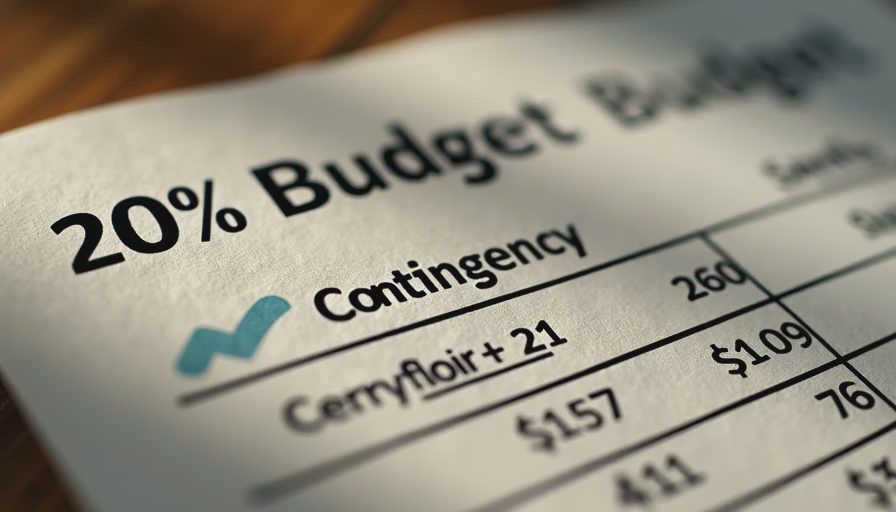
2. The 20% Buffer Is Not a Suggestion
I used to build tight budgets and then act surprised when the walls hid problems. Now every room starts with a hard 20% contingency that is treated as already spent. The living room finished under the original estimate precisely because the buffer absorbed the subfloor repairs, extra drywall work, and dumpster overage without forcing a panic redesign. I will never again start a project without it.
3. Buy the Core Tools Once, Properly
I wasted money and time on cheap versions of the tools I use every week. Circular saw, impact driver, quality bits, a real shop vac, and a sliding miter saw (Rhonda) are no longer negotiable. Everything else can be rented or borrowed until the frequency justifies ownership. The first house taught me that “good enough for now” tools become expensive when they fail mid-task.
4. Write the Definition of Done Before You Start
Scope creep is polite until it is not. On earlier projects “while I’m at it” turned one-day tasks into three-day tasks. Now every room gets a short written definition of done before demo begins. When the list is checked, the room is finished. New ideas go on the list for the next phase or the next house. The living room stayed on schedule because the finish line was drawn in advance.
5. Document Everything the Same Day
Receipts, change decisions, measurements, and surprises go into the spreadsheet or the notebook the day they happen. Memory is a terrible project manager. The habit takes ten minutes and prevents the end-of-project fog where no one can remember why the number moved.
6. Respect the Messy Phases
Drywall dust, demo debris, and the general disorder of a house under construction will expand to fill every unprotected space. Plastic on doorways, a real shop vac running constantly, and a willingness to clean as you go are not optional if you still need to live in the house. I learned this the hard way when fine dust migrated two rooms away and settled on everything we thought we had sealed off.
7. Hire the Work That Can Flood or Burn the House
I DIY the cosmetic and straightforward structural repairs. I hire the trades whose mistakes can create water damage, fire hazards, or failed inspections. The savings from doing your own electrical or complex plumbing look attractive until the first callback or the first insurance conversation. Pride is not a line item I fund at that level anymore.
8. The Market Does Not Care About Your Effort
From the appraisal days: buyers and appraisers pay for condition, function, and comparables—not for how hard the work felt. Some of the most exhausting jobs (popcorn removal, paneling tear-out) simply remove a deficit rather than add a premium. I still do them because we live here, but I no longer expect a dollar-for-dollar return on every hour of labor.
What Stays Consistent Across All Four Houses
Measure twice. Cut once. Write it down.
That single line has prevented more expensive mistakes than any tool I own. The notebook and the spreadsheet are still the most valuable pieces of equipment on the job.
Applying It Right Now
The living room is finished and the numbers are closed. The kitchen is next, and every one of these lessons is already built into the plan: buffer locked, definition of done written, core tools ready, documentation habit in place, and the high-risk trades identified for hire.
I will still make new mistakes. They will just be smaller, caught earlier, and written down the same day.
Measure twice. Cut once. Write it down.
Four houses later, these are the rules that remain. If you are about to start your first or your fifth, steal whatever is useful. The ledger stays open, and the next room is already on the calendar.
Comments
No comments yet — be the first to share a thought.