
The One Question to Ask Every Contractor Before They Start
The single most useful question to ask any contractor before work begins—plus how their answer reveals more than a glossy proposal ever will.
The Question That Cuts Through the Sales Talk
I have hired contractors, worked alongside them, and cleaned up after a few who should never have been hired. Over the years one question has proven more useful than any request for references, insurance certificates, or detailed proposals.
Here it is:
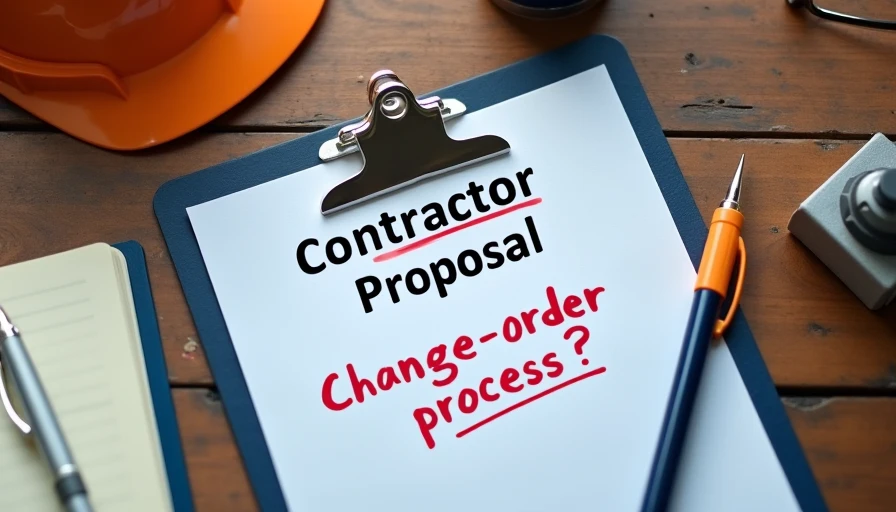
“Can you walk me through how you handle change orders and unexpected conditions on a job like this?”
That is the question. Not “How much?” Not “When can you start?” Those matter, but they come later. This one tells you how the relationship will actually feel when the walls open and the plan meets reality.
Why This Question Works
Every renovation hits something that was not in the original scope. Soft subfloor. Old wiring. A plumbing stack that is not where the drawing said it would be. The difference between a good contractor and a stressful one is rarely the initial bid. It is how they communicate and price the inevitable surprises.
When you ask about change orders and unexpected conditions, you are listening for three things:
Do they have a clear process?
Do they notify you before the extra work starts?
Do they treat the change as a normal part of the job or as an opportunity to pad the bill?
A confident, experienced contractor will usually answer with specifics: written change-order forms, a threshold amount that requires your signature, photos of the condition, and a timeline for how quickly they need your decision so the schedule does not stall. A less reliable one will give vague reassurances or focus only on how rare surprises are.
What Good Answers Sound Like
“We document everything with photos, send you a written change order the same day, and don’t proceed on extras over $X without your okay.”
“Unexpected conditions are normal in houses this age. We pause, show you the issue, give you options with costs, and only move forward after you approve.”
“We build a contingency discussion into the first week so we’re not surprised later.”
Those answers signal process and respect for your budget.
What Caution Flags Sound Like
“We just handle it and settle up at the end.”
“You won’t have any change orders on this job.”
“We’ll take care of whatever comes up—don’t worry about it.”
The first one removes your control. The second is almost never true. The third sounds comforting until the final invoice arrives.
How I Use the Answer
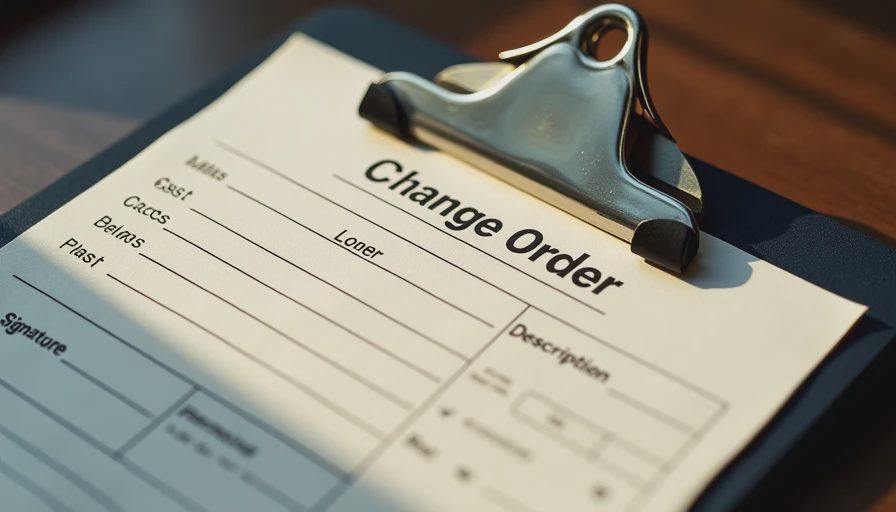
I ask the question on the initial walkthrough or right after the bid arrives. I write down the reply in the same notebook that holds the measurements. If the answer is solid, we move to schedule and payment terms. If it is vague, I ask one follow-up: “Can you show me an example of a change-order form you use?” The willingness to share the form is itself useful information.
On the current house most of the work is DIY or hybrid, but the trades I do bring in (electrical check, future plumbing rough-in) still get the question. It keeps the relationship clean even when the scope is small.
Pair It With Two Quick Confirmations
Once the change-order answer is satisfactory, I still confirm:
Proof of insurance (liability and workers’ comp)
Who will actually be on site day to day (the salesperson is rarely the one swinging the hammer)
Those are table stakes. The change-order question is the one that reveals working style.
Why Most People Skip It
It feels a little confrontational. It is easier to talk about tile choices and start dates. But the moment something unexpected appears—and it will—you will be glad you already know how the conversation is supposed to go.
Measure twice. Cut once. Write it down.
Ask the question before the first tool comes off the truck. The answer will tell you more about the next six weeks than any brochure. The living room is finished and the kitchen planning is underway. When the first trade shows up for that phase, the question will be ready. See you on the next punch-list item.
Comments
No comments yet — be the first to share a thought.